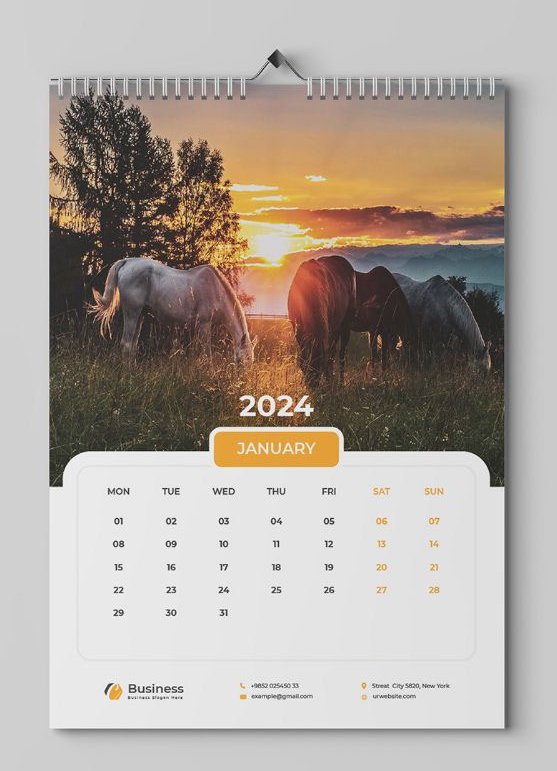
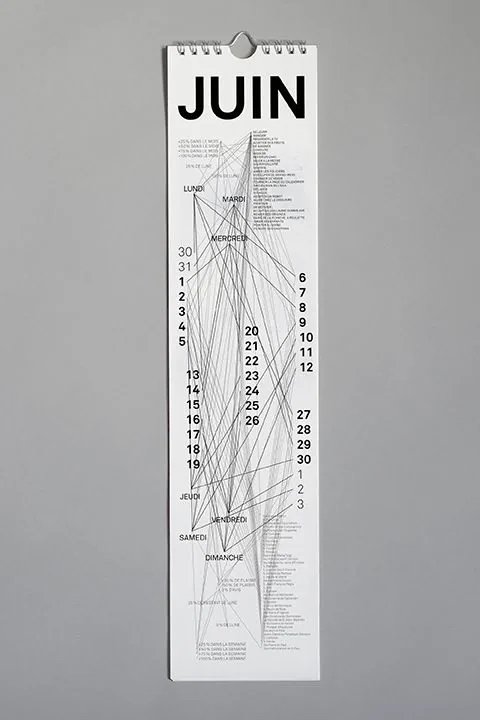
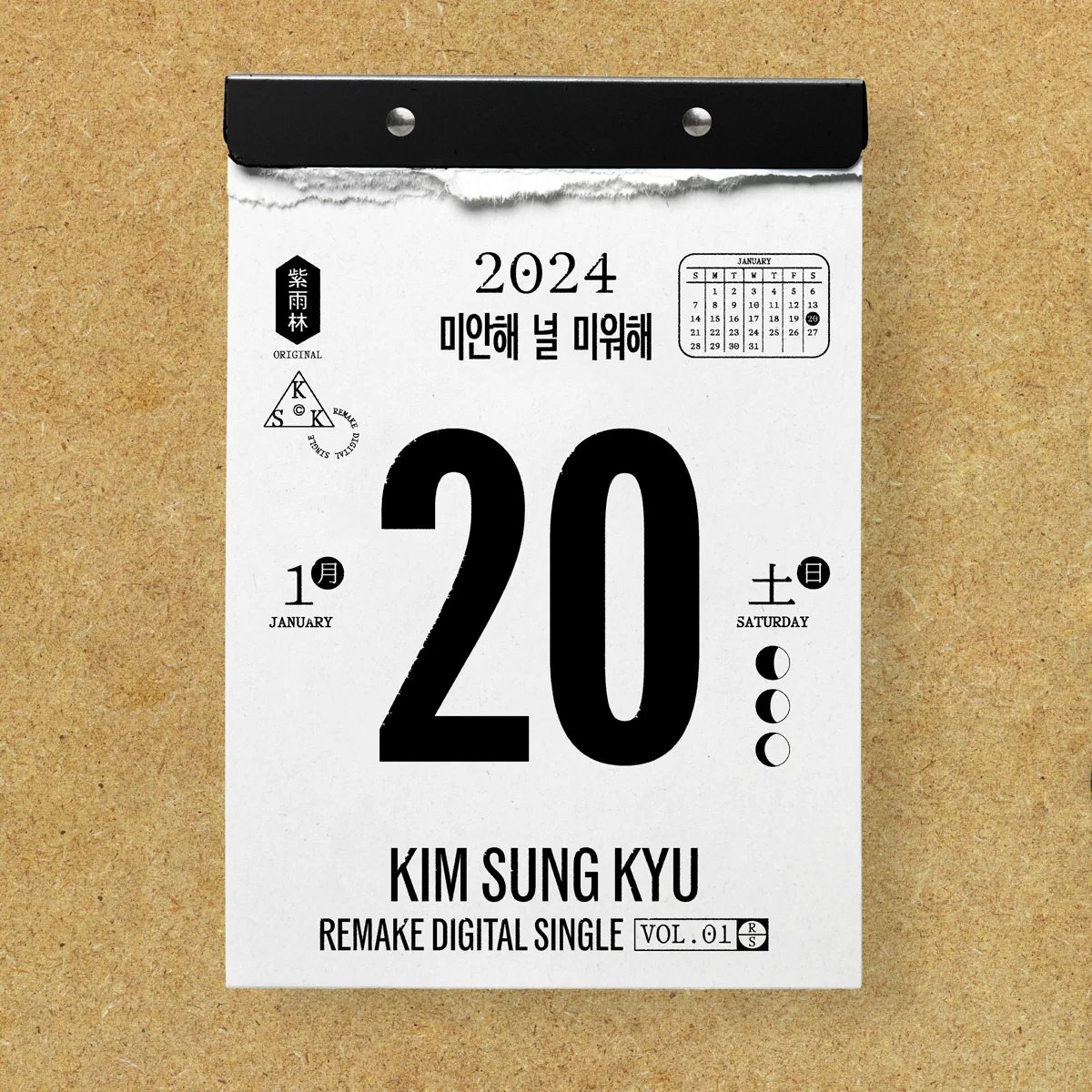
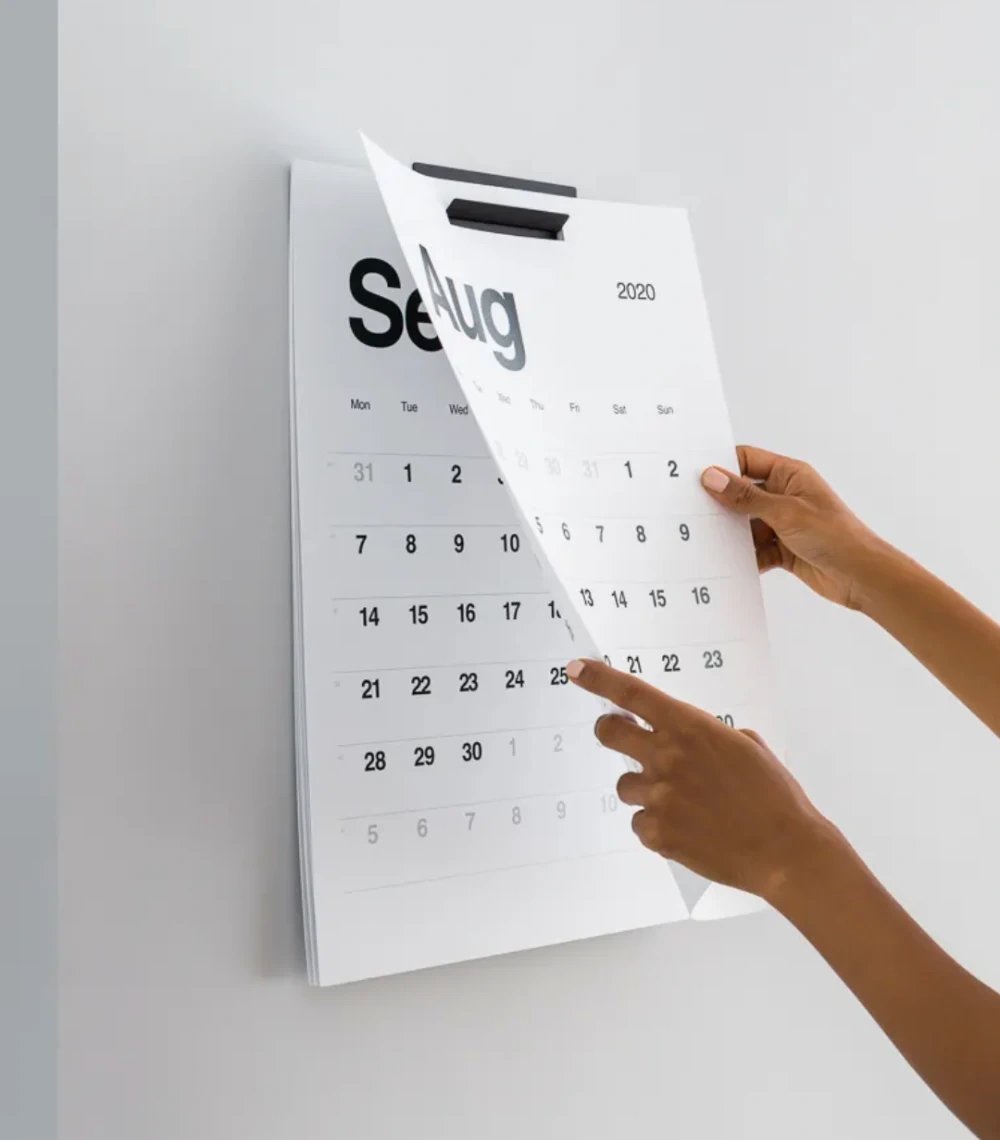
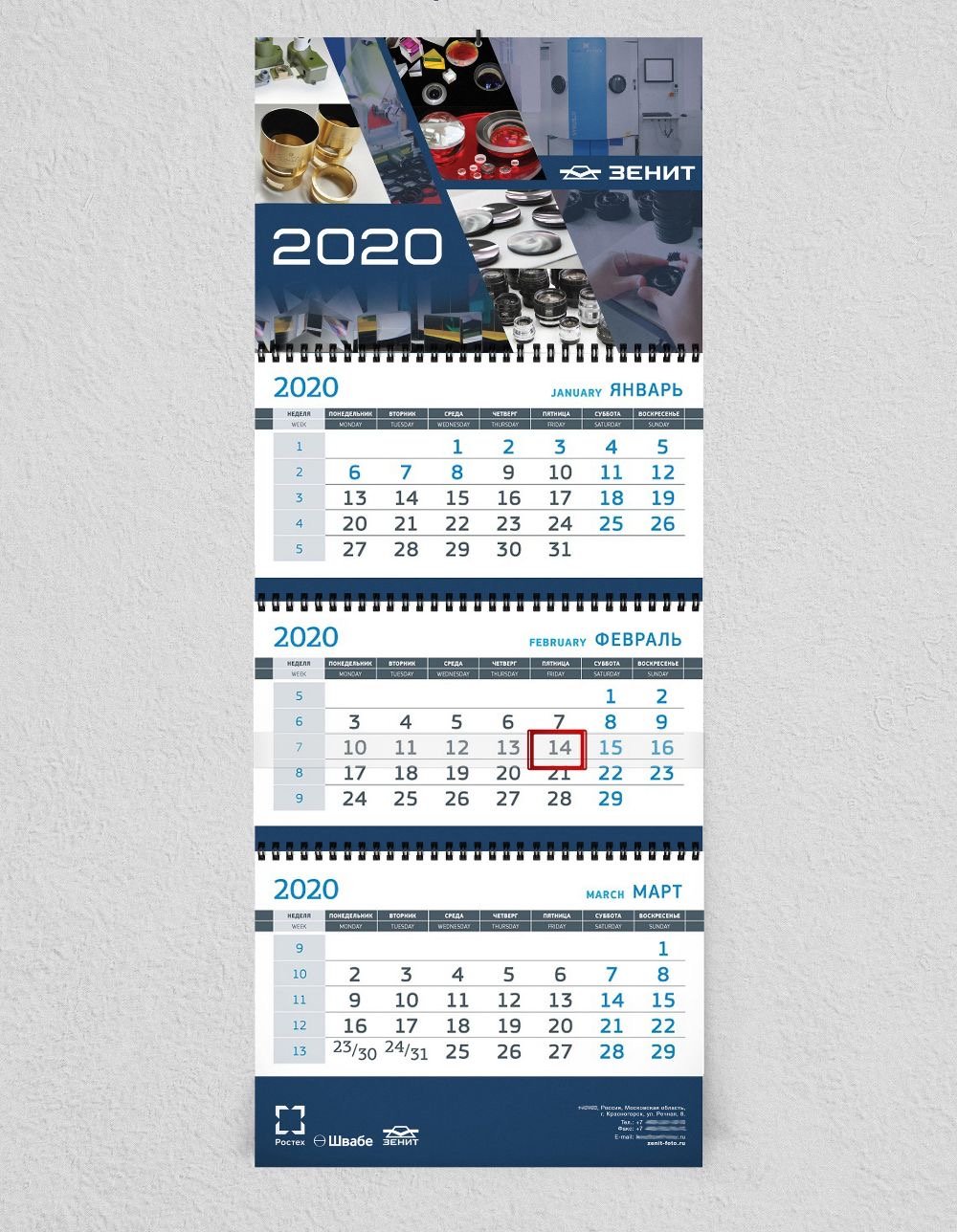
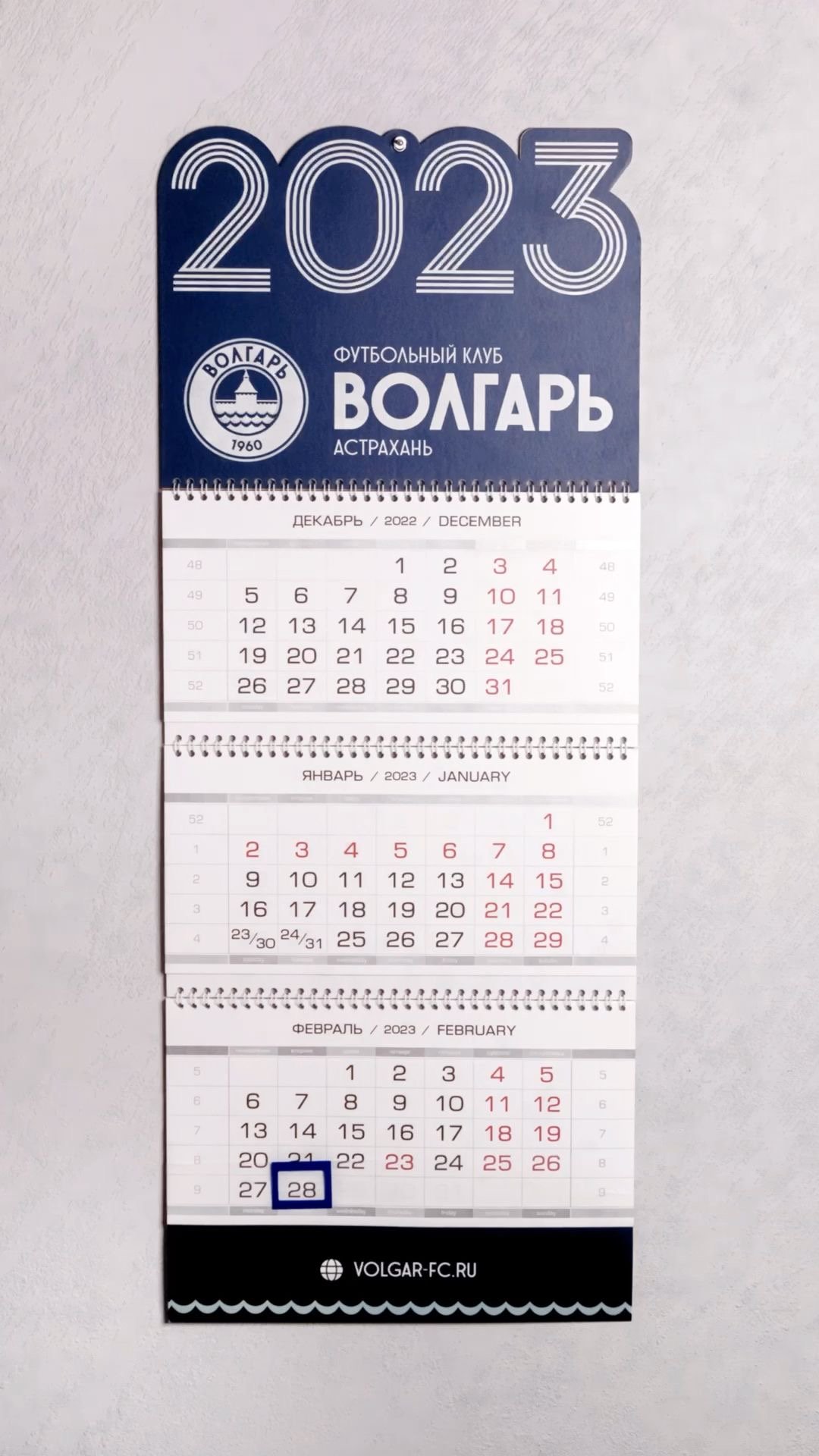
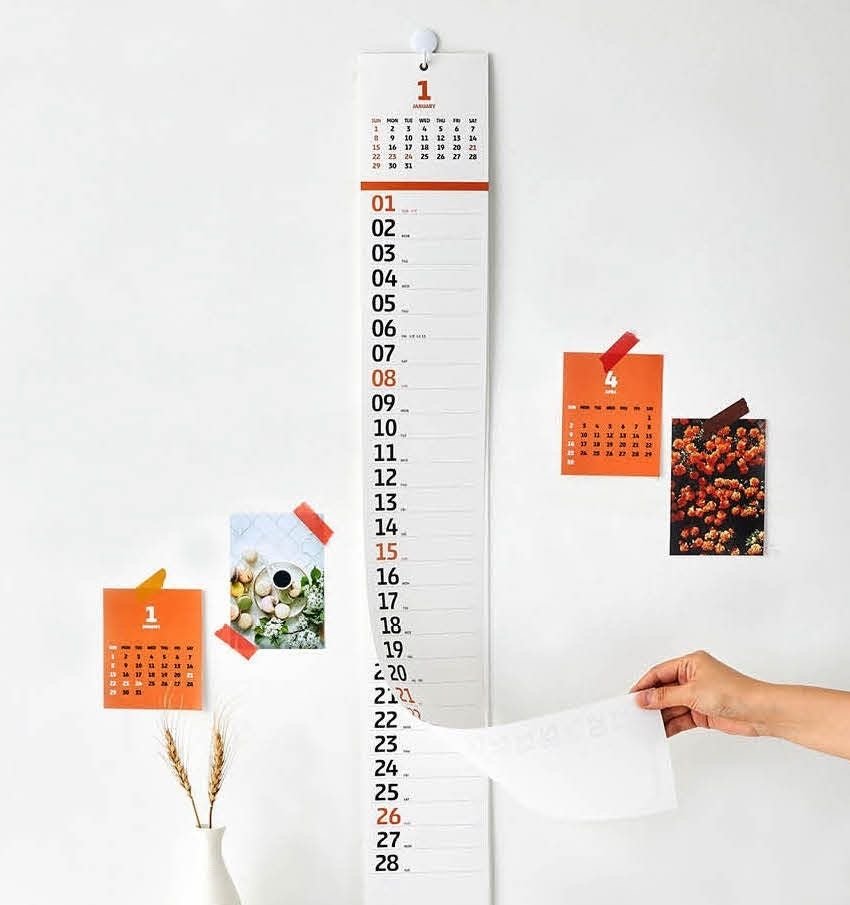
Wall Calendar

  • Premium custom printing services delivering sturdy, long-lasting, fully personalized wall calendars for corporate promotion and daily use.
  • Select from abundant surface treatments (matte/gloss lamination, foil stamping, emboss, deboss, die-cut hanging holes, spot UV, perforated tear-off pages) paired with reliable fast production turnaround.
  • Ideal for corporate branding, business gifting, holiday promotions, office planning, family use and brands aiming for memorable year-round exposure.

Customization options

  • Check Mark Customized logo
  • Check Mark Customized packaging
  • Check Mark Graphic customization

Description
Key Features:

Standard Sizes:
  • A3 Wall Calendar: 297mm × 420mm (Most common large office & home calendar)
  • A4 Wall Calendar: 210mm × 297mm (Compact hanging calendar for workstations)
  • Square Calendar: 300mm × 300mm (Modern trendy promotional style)
  • Wide Landscape Calendar: 420mm × 297mm (Horizontal panoramic photo layout)
Material Options:
  • Classic Coated Paper: 157gsm–250gsm matte/gloss coated art paper for inner pages
  • Heavy Cover Cardstock: 300gsm–400gsm thick card for front & back covers
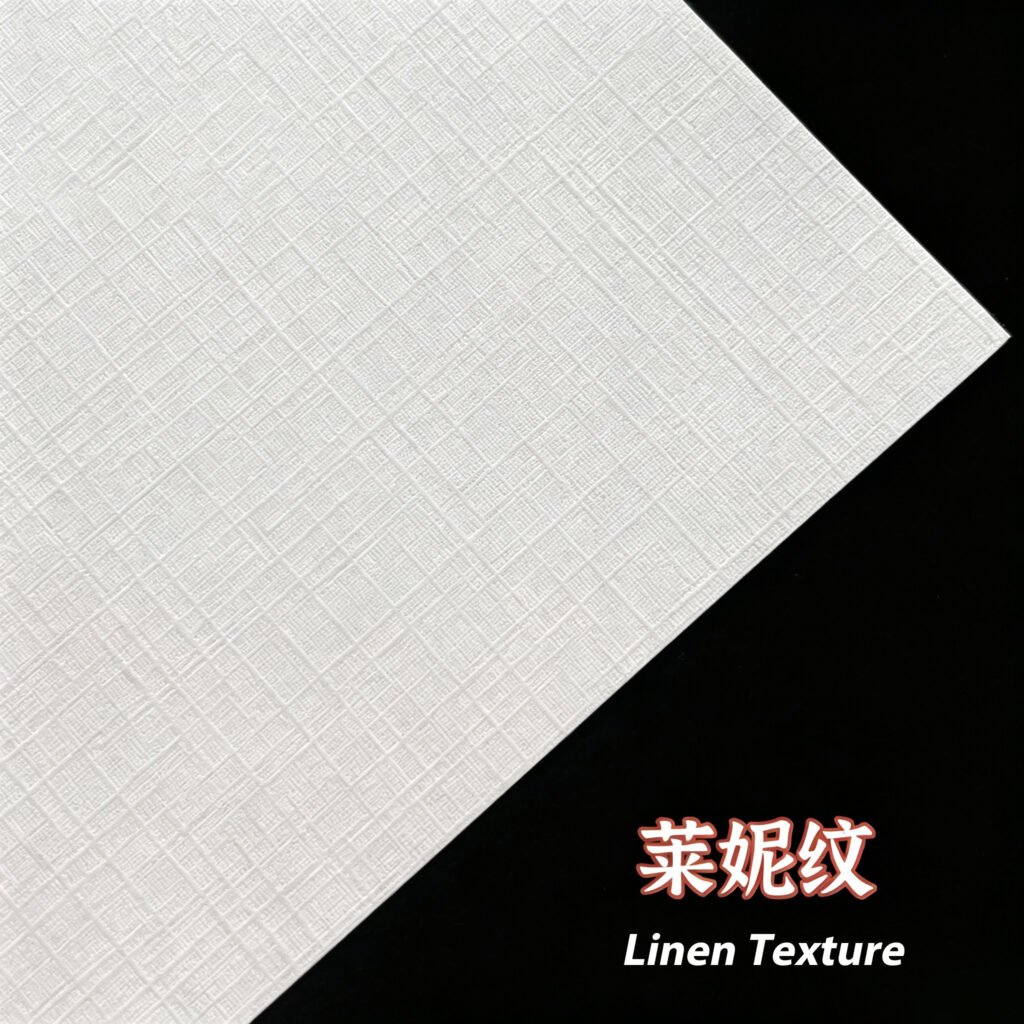
  • Premium Uncoated: Natural textured stock (recycled kraft, cotton, linen paper) for writable eco calendars
Luxury Options:
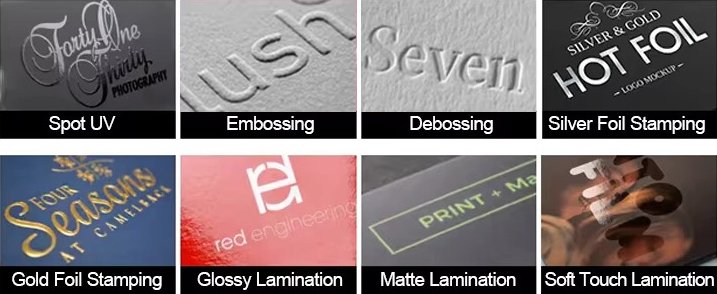
  • Spot UV: Gloss raised highlights on matte cover artwork
  • Foil Stamping: Gold/Silver/Rose gold metallic logo and pattern embellishments
  • Embossing/Debossing: Raised or indented textures on calendar covers
  • Perforated Tear-off Pages: Easy monthly page removal
  • Die-cut Hanging Holes: Custom hanging cutouts for wall mounting
  • PVC Clear Window: Transparent cover window for premium display
Printing Colors:
  • Full-color CMYK printing (vibrant rich hues for photos & graphics)
  • Pantone (PMS) spot colors for strict brand color matching
  • Single/Double-sided full-page printing
Special Finishes & Techniques:
  • Soft-touch Lamination: Velvet-like anti-fingerprint matte surface
  • Gloss Lamination: Shiny water-resistant coating
  • Edge Painting: Dyed page edges for upscale appearance
  • Wire-O Binding: Double coil binding for flat easy flipping
  • Die-cutting: Custom irregular outlines, header shapes, hanging openings

Typical Use: Corporate annual branding, business holiday gifts, office schedule management, home decoration, retail seasonal marketing, long-term brand exposure.

Turnaround: 4–6 business days (standard), rush expedited service available.

Packaging: Free protective shrink wrap or eco-friendly kraft cartons (for bulk large orders).

Custom designs: Accepted (AI/PDF file formats preferred).

MOQ: 50pcs for regular basic wall calendar orders.

Paper stock options for flyer printing

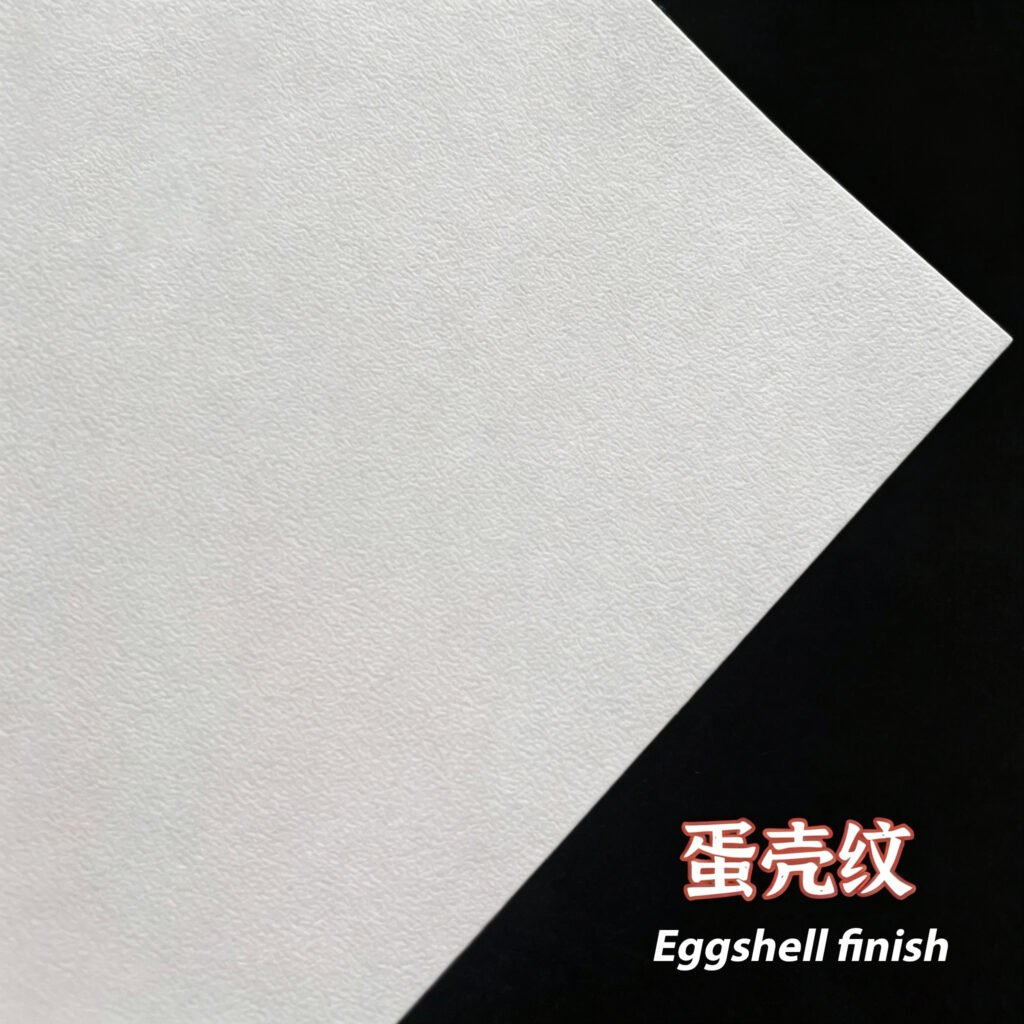
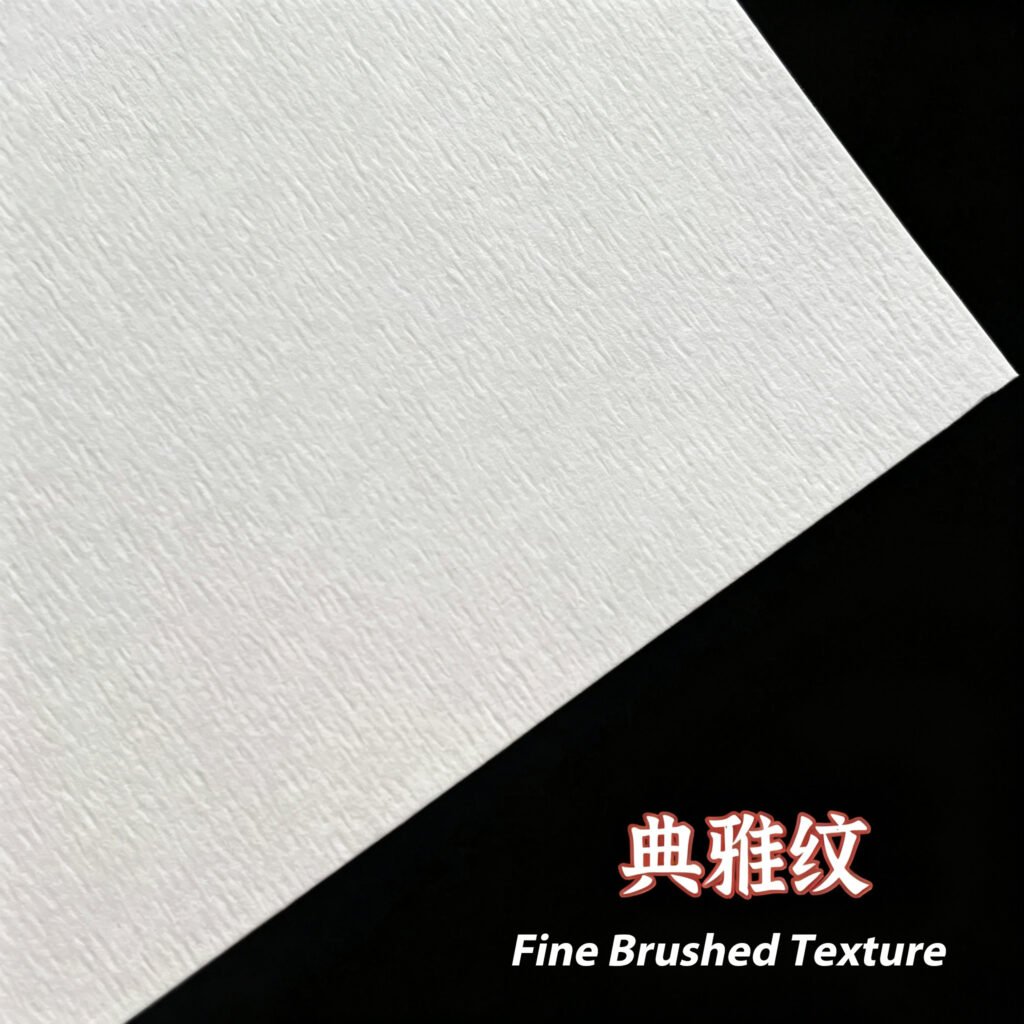
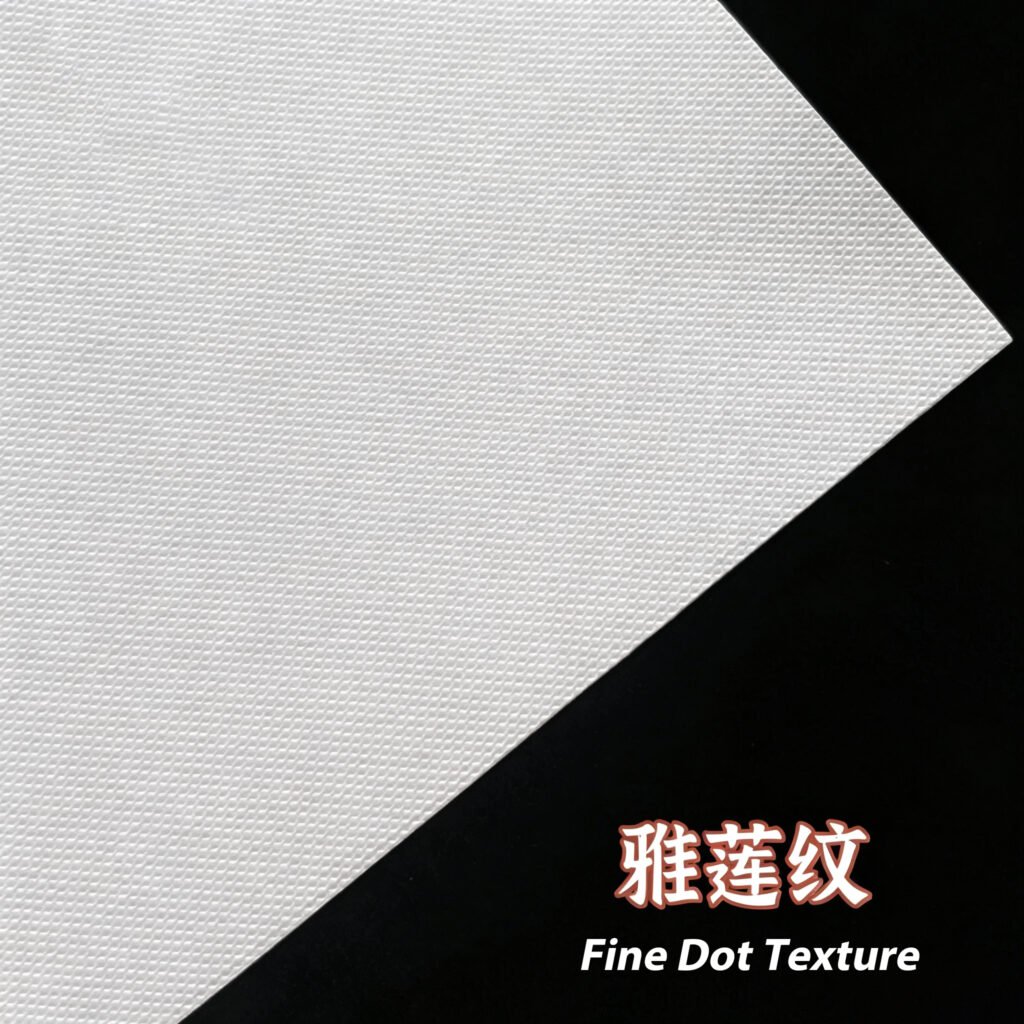
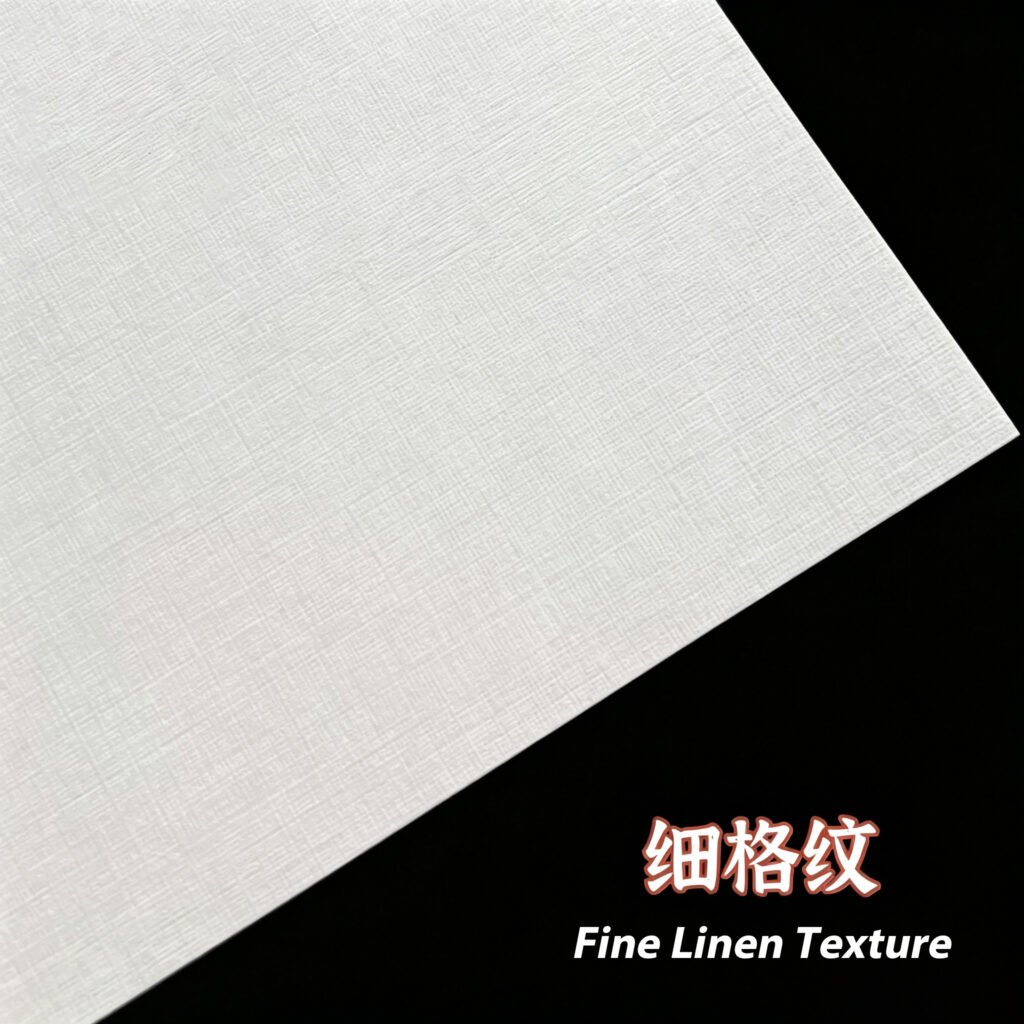
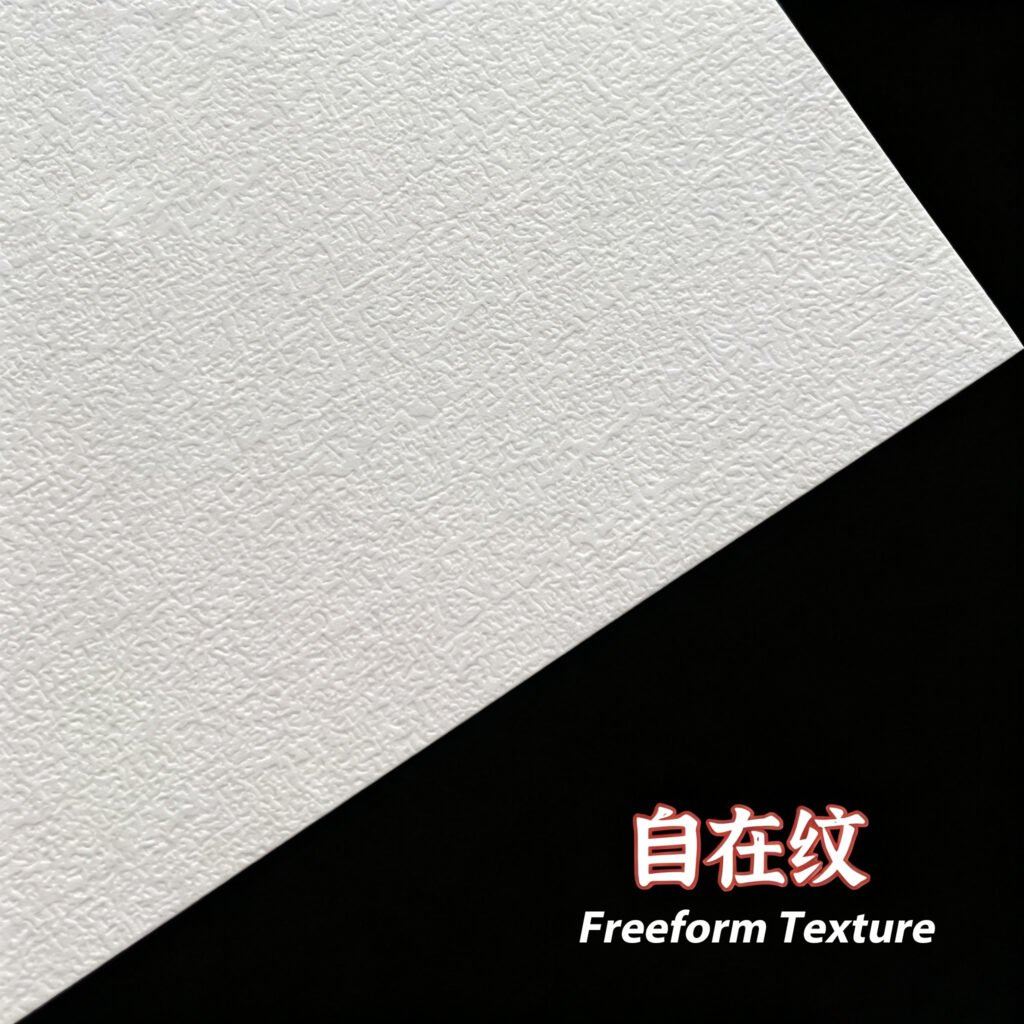
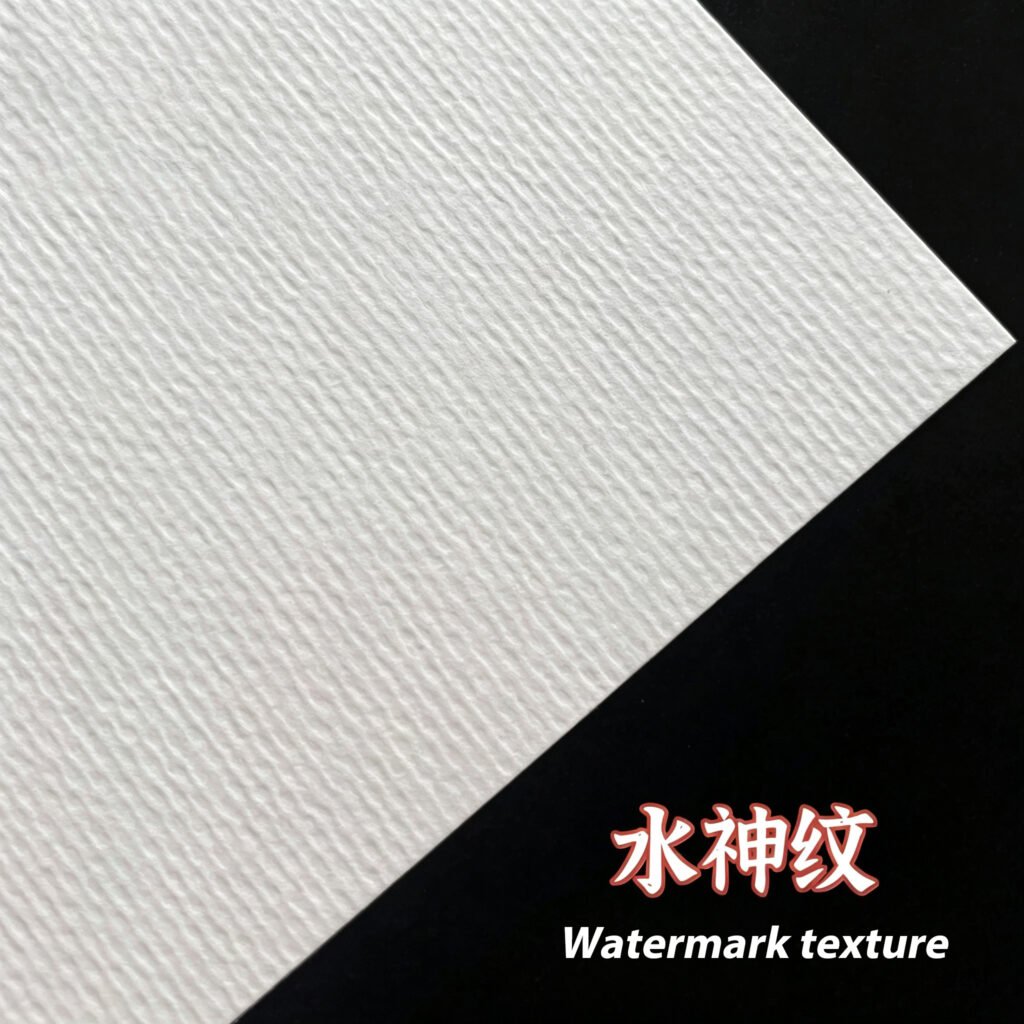
Part of embossed texture paper options

Special Finishing Options After Printing

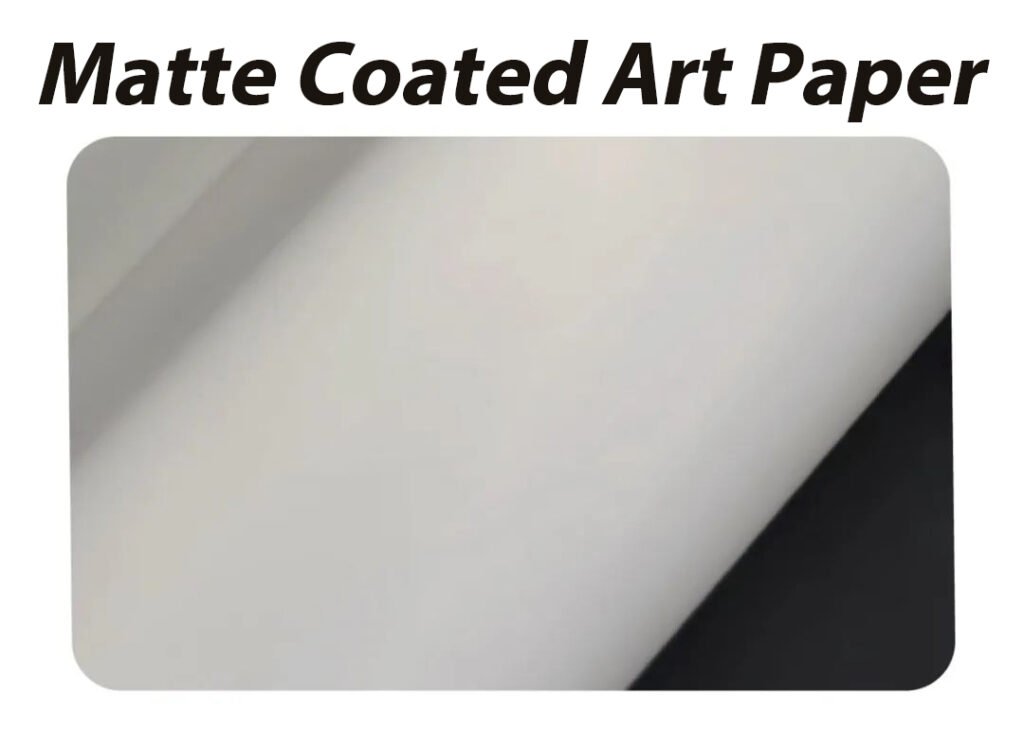
Matte Coated Art Paper, also called dull coated art paper, is a member of the coated art paper family. It uses identical paper base and manufacturing procedures as standard single-sided or double-sided glossy coated art paper. The core distinction lies in the special raw materials used for its surface coating layer, which eliminates strong surface sheen and delivers a soft, non-reflective matte finish.

Core Material & Texture Features
The matte art paper uses low-refraction matte pigments in its coating formula. Its surface is smooth but not shiny; no mirror reflection occurs under light.

Touch & Visual Performance
It has a delicate, silky flat texture. Printed colors appear low-saturation, elegant and soft, without harsh glare. Text on matte paper is eye-friendly for long-time reading, as light reflection will not blur words.

Printing Advantages
Excellent ink absorption & dot reproduction, sharp fine lines and gradual color gradients
No fingerprint marks left on the surface after touching
No glare interference when shooting or scanning printed works

Common Applications
High-end brochures, luxury product catalogs, art photo albums, fashion magazines, premium flyers, hardcover book inner pages, museum exhibition pamphlets, and brand gift packaging inserts. It is widely chosen for minimalist, high-grade visual design styles that require a calm, sophisticated texture.

Industry Specifications
Standard grammages range from 105gsm to 300gsm. It supports offset printing, UV printing, hot stamping and die-cutting. Unlike uncoated offset paper, its coated surface avoids ink penetration and fuzzy printing.

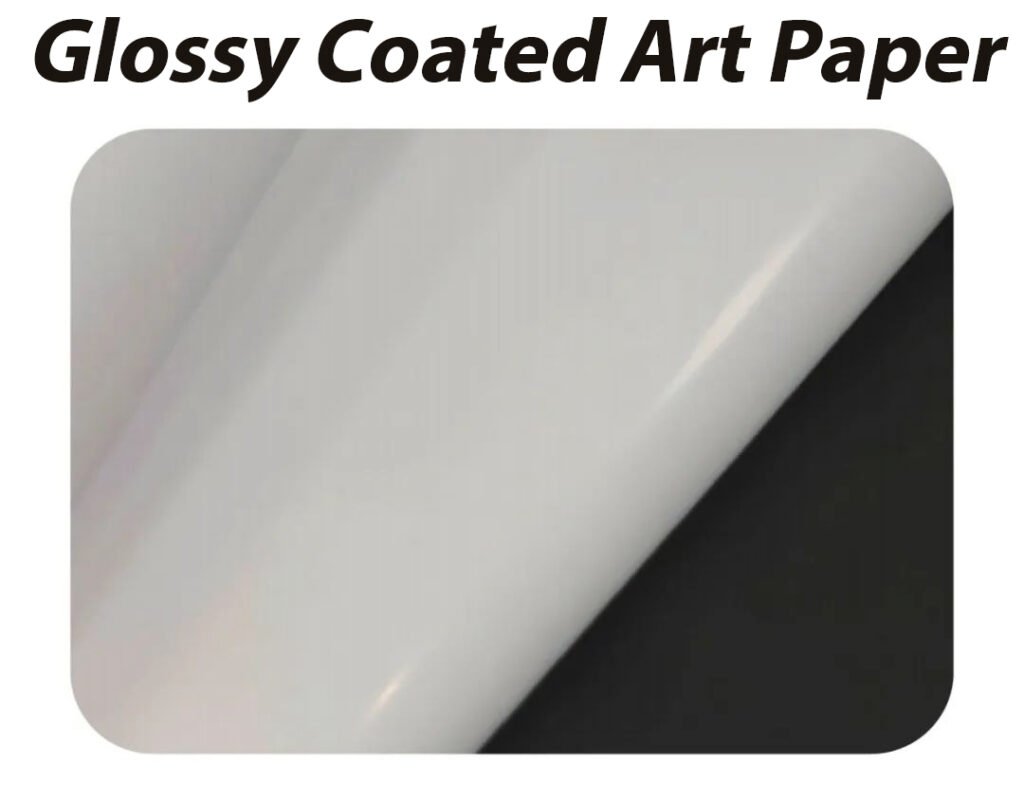
Glossy Coated Art Paper, commonly referred to as coated art paper, is the foundational member of the coated art paper family. It shares the same paper base and manufacturing workflow as matte coated art paper. The core distinction lies in the high-gloss mineral pigments adopted in its surface coating formula, which creates a bright, mirror-like reflective glossy finish.

Core Material & Texture Features
Gloss coated art paper utilizes high-refraction glossy clay and pigments for its surface coating. Its surface is ultra-smooth and highly reflective, producing distinct mirror sheen when exposed to light.

Touch & Visual Performance
It features a sleek, polished flat texture. Printed colors come out vivid, saturated and vibrant with striking luster. The strong surface gloss makes images pop with sharp contrast, though direct lighting may cause reflective glare that strains eyes during prolonged reading.

Printing Advantages
Outstanding ink holdout and vivid color saturation, highly saturated solid tones and crisp image details
Bright reflective surface maximizes the vibrancy of full-color photos and commercial graphics
Perfect finish for high-shine effects after lamination, UV coating and foil stamping

Common Applications
Commercial product brochures, retail flyers, advertising posters, fashion magazines, promotional leaflets, product packaging inserts, photo posters and mass-market catalogs. It is widely selected for commercial marketing designs that demand bright, eye-catching, high-color-brightness visual effects.

Industry Specifications
Standard grammages range from 105gsm to 300gsm. It is compatible with offset printing, digital printing, UV varnishing, hot stamping and embossing. The sealed coated layer prevents ink sinking into the paper core, delivering crisp, clear printed dots and rich color layering.

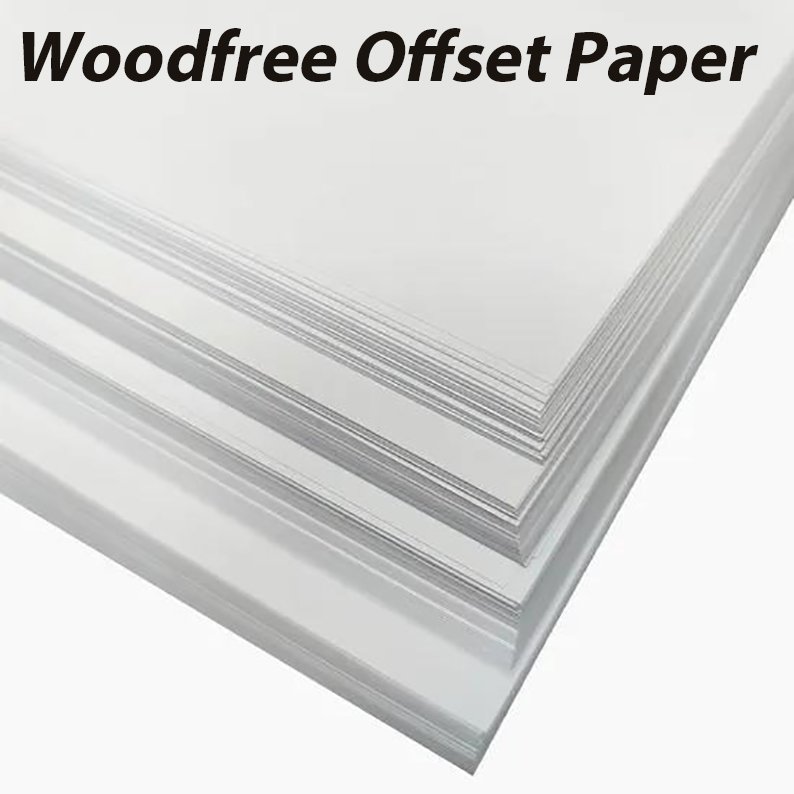
Woodfree Offset Paper, also known as uncoated woodfree paper, is a premium printing paper made purely from chemical pulp without mechanical groundwood pulp. It contains no clay coating on both sides, featuring a natural matte surface.

Core Material Advantage
100% chemical wood pulp composition
Free from mechanical pulp, so the paper will not turn yellow or brittle after long-term storage, with excellent aging resistance.
Low impurity, uniform fiber distribution
Stable paper formation, no speckles, holes or uneven texture on the sheet surface.

Surface & Printing Performance
Matte, slightly textured uncoated surface, comfortable hand feel without slippery gloss
Good ink absorption and fast ink drying, no ink smudging or dot gain during offset printing
High ink color reduction, text prints sharp and clear; ideal for large text books, brochures and manuals
Stable dimensional stability, less paper expansion/shrinkage during printing, reduces register misalignment

Two Common Color Versions
1. High White Woodfree Offset
Bright pure white tone, high whiteness, suits color leaflets, product catalogs and high-grade flyers.
2. Cream / Ivory Woodfree Offset
Soft warm off-white tone, low eye irritation, widely used for textbooks, notebooks, novels and long reading publications.

Standard Grammage Range
70gsm ~ 315gsm, available in sheet size (cut sheets per ream) and jumbo roll formats.

Main Application Scenarios
Books, magazines, textbooks, notebooks
Instruction manuals, corporate brochures, flyers
Office printing paper, letterheads, envelopes
Color pamphlets, calendar inner pages, notepads

Industry Selling Points Summary 
Woodfree Offset Paper is uncoated premium paper made of pure chemical pulp. It boasts anti-yellowing property, uniform texture and outstanding offset printing performance with crisp text & natural color rendering. Available in high white and ivory shades for books, manuals, flyers and office printing.

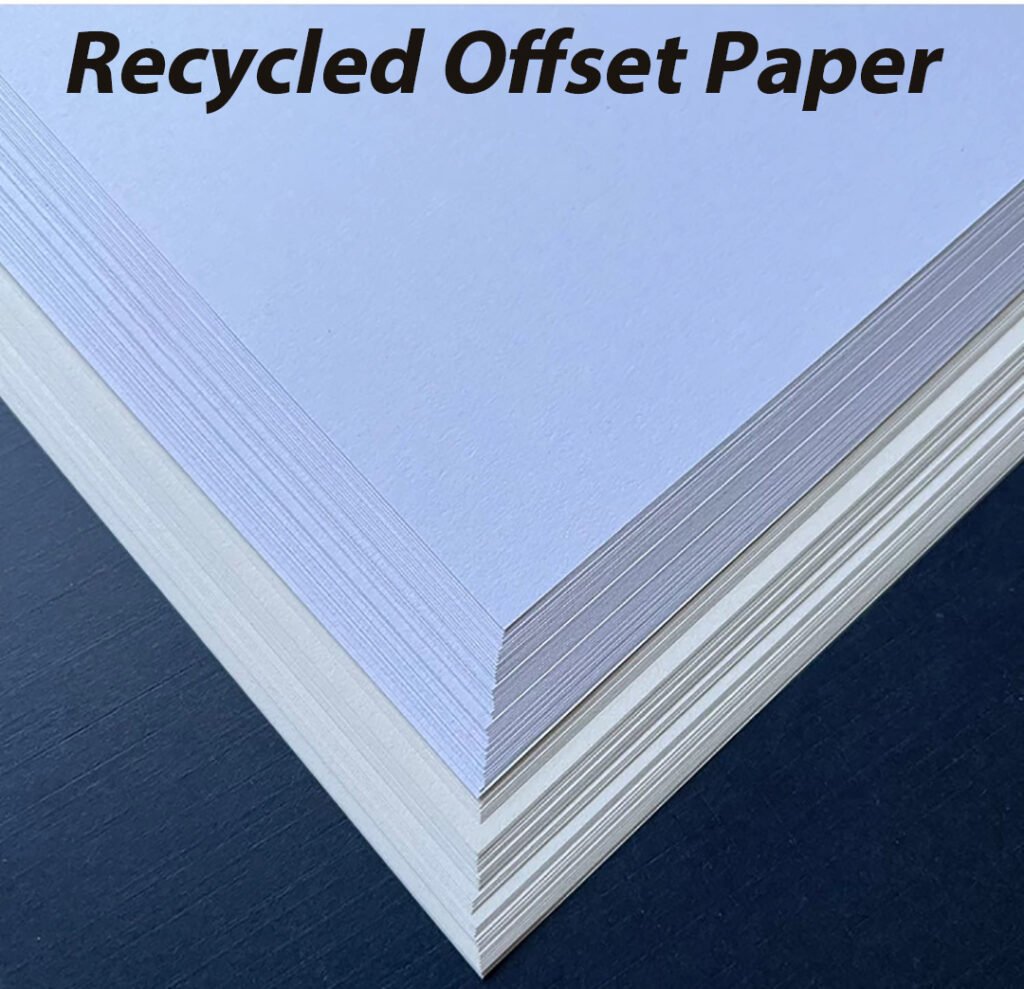
Recycled Offset Paper is an uncoated printing paper manufactured from post-consumer waste paper and recycled pulp, instead of fresh virgin chemical wood pulp. It is a sustainable alternative to standard woodfree offset paper for offset lithography printing.

Material & Environmental Features
Main raw material: sorted recycled paper pulp, with optional FSC, PEFC or recycled content certifications.
Greatly reduces timber consumption, water waste and carbon emissions compared to virgin woodfree paper.
Two mainstream types: high white recycled offset and natural cream recycled offset; some grades contain visible subtle natural fiber specks as an eco-friendly characteristic.
Free from mechanical groundwood pulp in premium grades, slowing down yellowing over time.

Surface & Printing Performance
Natural matte uncoated surface with soft texture, similar to regular woodfree offset.
Balanced ink absorption, fast drying during offset printing, clear text reproduction and stable dot performance.
Good dimensional stability, minimal stretch or shrinkage under press dampening water, less registration shift.
Slightly lower brightness than virgin woodfree offset; ideal for muted, natural print styles rather than ultra-bright vibrant color layouts.

Common Grammage & Formats
Standard weight range: 70gsm – 300gsm.
Supplied in flat cut sheets (ream packing) and large jumbo rolls for commercial printing presses.

Typical Applications
Eco-friendly brand brochures, flyers and leaflets
Corporate sustainability reports, instruction manuals
Notebooks, diaries, stationery, envelopes and letterheads
Trade books, magazines and educational textbooks with environmental positioning
Packaging inserts, gift card inserts and event programs

FAQs

What is bleed for wall calendars?

Bleed is an extended printing margin added along all four edges of your wall calendar artwork before printing. We require a minimum 3mm bleed for regular wall calendars. For calendars with perforated tear-off pages, hanger die-cuts and multi-page bound layouts, 4mm bleed is recommended. After printing, trimming and binding to final dimensions, bleed eliminates unsightly white borders and prevents calendar dates, photos, logos and key graphics from being trimmed off.

What is the wall calendar safe area?

The safe area sits inside the final trim lines of every calendar page. All essential elements including dates, holidays, text, logos, photos and contact details must be placed fully within this zone. Minor position shifts may occur during trimming, punching holes, spiral binding and finishing processes. Keeping all vital content clear of trim edges, binding margins and hanging hole areas prevents important calendar information from being cut or covered after production.

What’s the difference between RGB and CMYK for wall calendar designs?

RGB (Red, Green, Blue) is the colour mode designed for digital screens including computers and mobile devices, delivering brighter, more vivid colours only for screen preview. CMYK (Cyan, Magenta, Yellow, Key/Black) is the standard colour mode for offset and digital calendar printing. All wall calendar artwork must be created and saved in CMYK colour mode to avoid faded, inconsistent and inaccurate colours on finished printed calendars. Pantone (PMS) spot colours are supported for brands requiring precise fixed brand colours across all calendar pages.

Why do I need to embed fonts in my wall calendar file?

If fonts are not embedded in your PDF or AI calendar files, our printing system will automatically substitute missing custom fonts with generic system fonts while opening your design. This changes text size, line spacing, date formatting and ruins the unified branded appearance of calendars. Embedding all fonts locks all calendar text permanently, ensuring every word, date and headline prints exactly as your original design throughout production.

How do I order printed wall calendars?

Ordering custom wall calendars is straightforward with our printing service. Prepare print-ready CMYK artwork with proper bleed and safe margins, upload your design file, select calendar size, paper thickness, binding method and page count. Add special upgrades including lamination, foil stamping, spot UV, die-cut hanging holes or perforated tear pages if needed, review and confirm your digital proof, then submit your order. Our design team offers support for custom page layouts, bespoke sizing, calendar grid editing and artwork revision.

What are the standard wall calendar sizes?

Our most mainstream standard wall calendar dimensions are:

A3 Wall Calendar: 297mm × 420mm (most popular large-format family & office calendar)

A4 Wall Calendar: 210mm × 297mm (compact hanging calendar for offices and cubicles)

Square Calendar: 300mm × 300mm (modern stylish promotional calendar)

Wide Landscape Calendar: 420mm × 297mm (horizontal panoramic photo calendars)

We also provide fully custom tailored dimensions for special-shaped promotional calendars.

What binding & structural styles are available for wall calendars?

We offer a complete selection of calendar binding and functional styles to fit different usage scenarios: double wire spiral binding (most common for easy page flipping), single coil binding, saddle stitching, glue bound calendars, tear-off daily/monthly calendars with perforation, pre-punched hanging holes for wall mounting, detachable monthly pages. Custom add-ons include tear-off note sections, tear-away coupons and top header hanging tabs. Bespoke binding structures can be customized for exclusive corporate calendars.

What resolution is best for wall calendar artwork?

To deliver sharp, high-definition wall calendars without fuzzy text or pixelated photos, all artwork files must be set to a minimum resolution of 300dpi at full actual calendar size. Images lower than 300dpi will look grainy, blurry and low-quality after printing, especially obvious on large A3 calendar photo backgrounds.

What paper materials are available for wall calendars?

Paper selection depends on usage frequency, printing effect and budget:

Gloss coated art paper: Excellent color saturation with shiny surface, ideal for travel, landscape and product photo calendars.

Matte coated art paper: Soft non-glare finish, comfortable for long-time date reading, suited for corporate business calendars.

Uncoated recycled paper: Natural matte texture writable with pens, perfect for eco brands and hand-noted calendars.

Thick premium textured paper: Linen, cotton and kraft textured stocks for luxury high-end gift calendars.

Heavyweight thick cardstock is available for rigid front covers, while lightweight coated paper keeps bulk and shipping costs low for large-quantity orders.

What special finishes can I add to wall calendars?

A full range of premium finishes can upgrade wall calendar quality: soft-touch matte lamination, gloss lamination, spot UV coating, gold/silver/rose gold foil stamping, embossing/debossing, custom die-cut hanging holes, edge painting, page perforation for tear-off months. Lamination brings water resistance, anti-scratch performance and long service life for year-round use. Custom front cover special effects are widely supported.

What is the minimum order quantity for wall calendars?

Our basic minimum order quantity for regular spiral-bound wall calendars with normal CMYK printing is 50 pieces. Calendars with fully custom die-cut shapes or luxury upgrades such as foil, embossing and spot UV require a higher minimum MOQ. Reach out to our sales team for discounted bulk pricing on large corporate annual orders.

How long does wall calendar printing take?

Our standard production turnaround for wall calendars is 4–6 business days counting from digital proof approval. Expedited rush production is available for urgent seasonal orders with shortened lead times upon request. Calendars with multiple complex special finishes or customized binding require extended production time