Presentation Folders

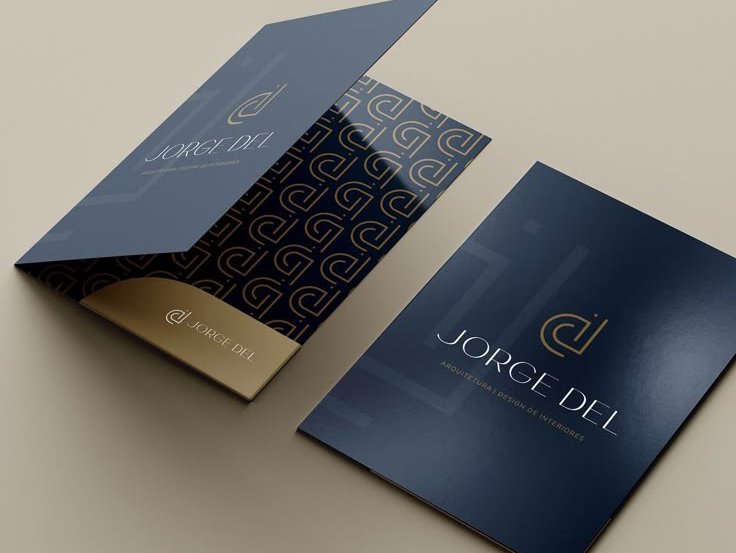
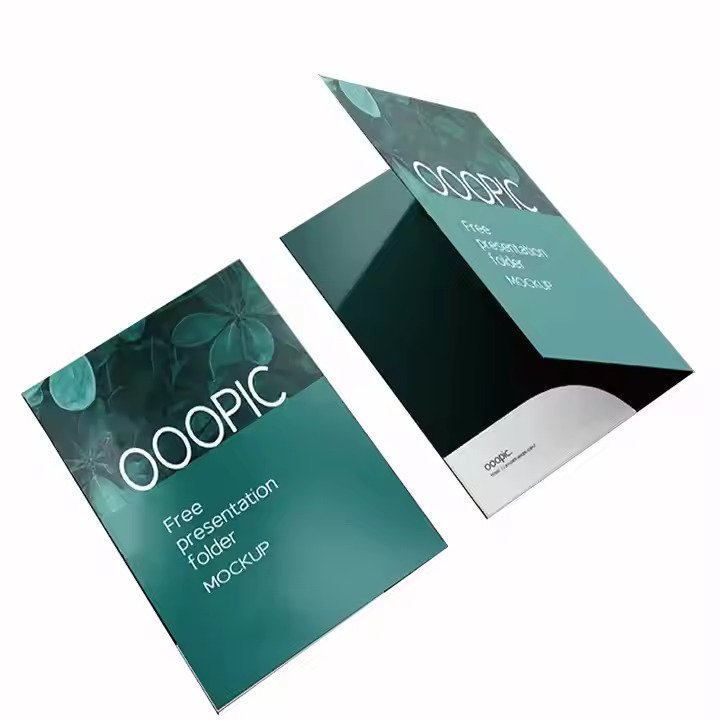
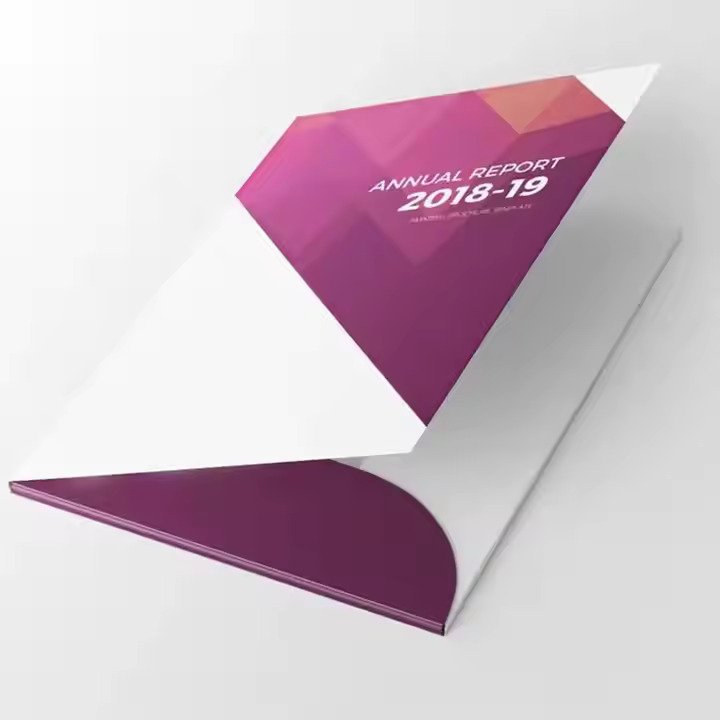
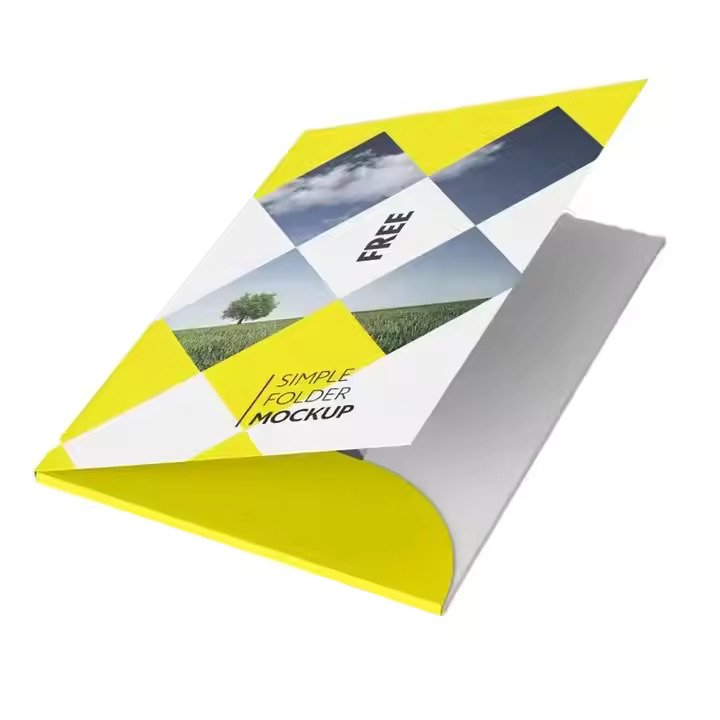
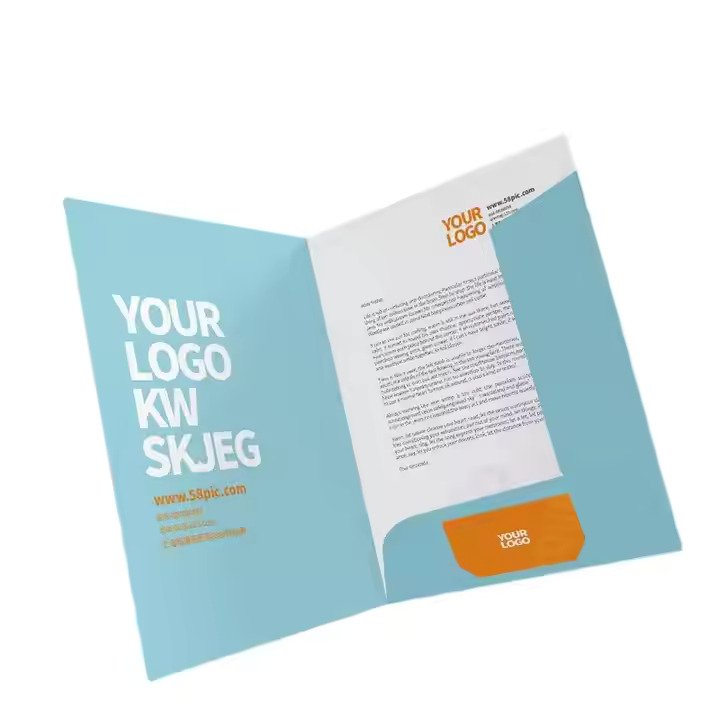
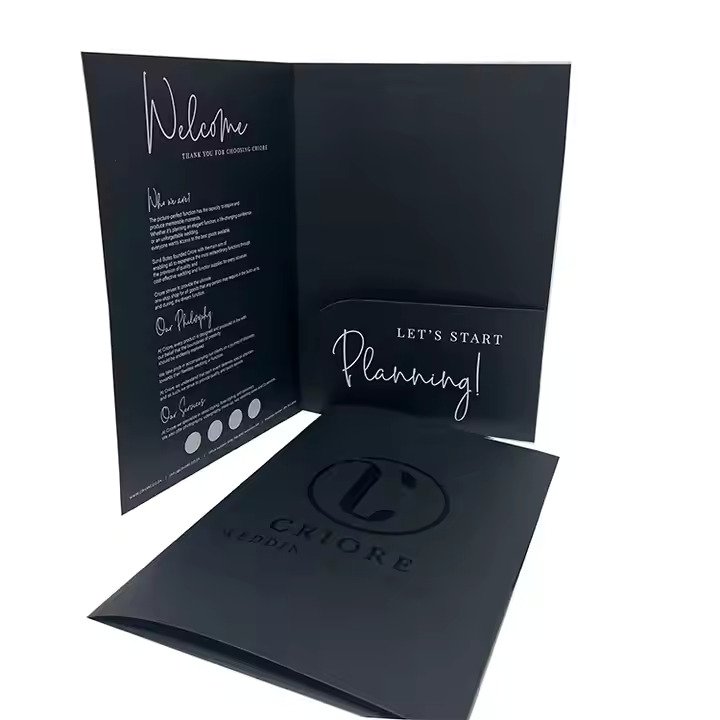
Presentation Folders (also called business folders or marketing folders) are high-quality, custom-printed folders designed to hold documents, brochures, business cards, and promotional materials.

They serve as a professional and elegant way to organize and present information for corporate, academic, and event-related purposes.

Customization options

  • Check Mark Customized logo
  • Check Mark Customized packaging
  • Check Mark Graphic customization

Description
Standard Sizes & Configurations

Folder   Type

Dimensions (inches/mm)

Best For

Standard Folder

9″ × 12″ (229 × 305 mm)

A4/Letter documents

Slim Folder

9″ × 11″ (229 × 279 mm)

Compact document storage

Legal Size

9.5″ × 14.5″ (241 × 368 mm)

Legal documents

Square Folder

8″ × 8″ (203 × 203 mm)

Creative portfolios

CD/DVD Folder

5.25″ × 5.25″ (133 × 133 mm)

Media packaging

Pocket Options:

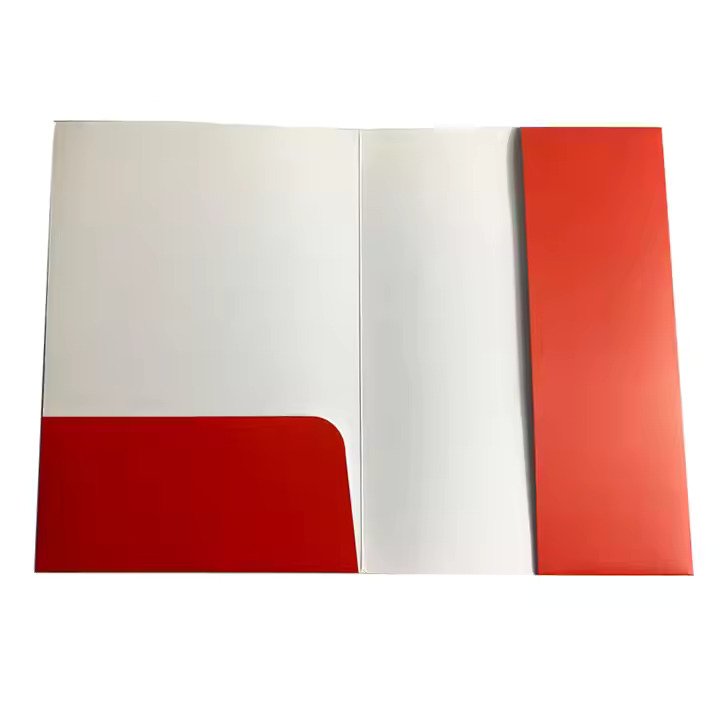
Single Pocket (2-panel) – Basic storage for documents.

Double Pocket (3-panel) – Holds more materials (e.g., brochures + business cards).

Expandable Pocket – Extra capacity for bulkier items.

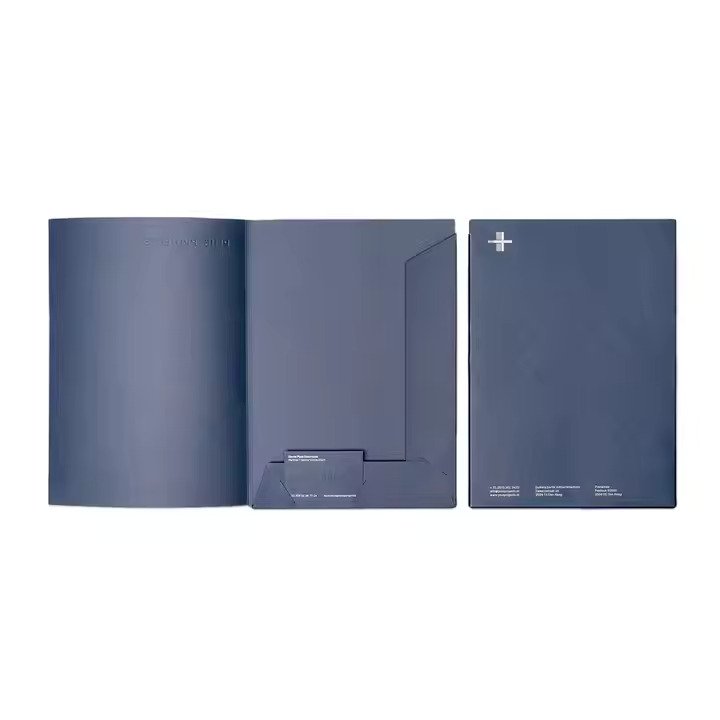
Business Card Slots – Die-cut slots to hold cards securely.

Pen Loop & Notepad Holder – Added functionality for sales kits.

Material Options

Paper Stocks

Type

Thickness

Features

Matte/Gloss Cardstock

14pt-16pt (300-350gsm)

Smooth finish, professional look

Recycled/Kraft Paper

12pt-14pt (250-300gsm)

Eco-friendly, textured feel

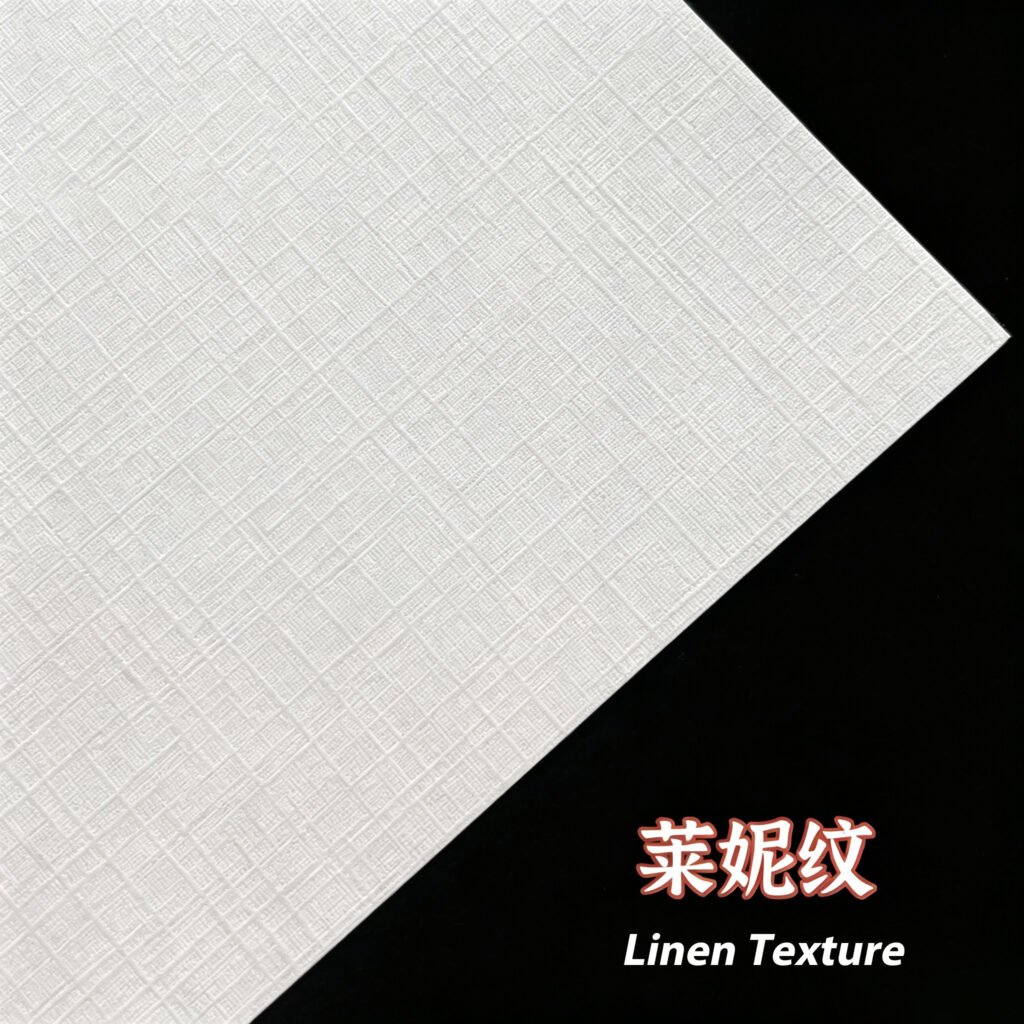
Linen/Wove Paper

14pt-16pt (300-350gsm)

Elegant embossed texture

Pearlescent Paper

14pt (300gsm)

Shimmery, premium appearance

Synthetic (PVC/PET)

10pt-12pt

Waterproof, tear-resistant

Cover Enhancements

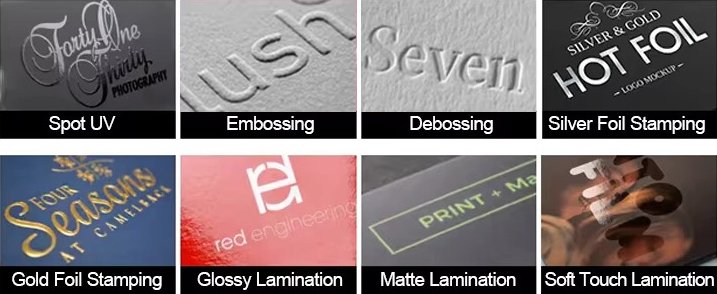
Soft-Touch Lamination – Velvety, luxurious feel.

Spot UV Coating – Glossy accents on logos/text.

Foil Stamping – Gold/Silver/Rose Gold metallic effects.

Embossing/Debossing – Raised or recessed designs.

Printing & Color Options

Printing Methods

Offset Printing – High-quality, cost-effective for bulk orders.

Digital Printing – Best for short runs & variable data.

Screen Printing – Vibrant colors for synthetic materials.

Color Systems

Full CMYK – Full-color printing for photos/graphics.

Pantone (PMS) Matching – Precise brand colors.

Single/Double-Sided Printing – Custom interiors available.

Special Finishes & Customizations

Feature

Description

Die-Cut Windows

Custom shapes (e.g., logo cutout)

Magnetic Closure

Snap-shut for premium folders

Elastic Band

Secure closure for portfolios

Fold-Out Panels

Extra space for additional content

Perforated Inserts

Tear-off reply cards or coupons

QR Code Integration

Digital linking for marketing

Functional Uses & Applications

Corporate & Business

Sales Kits – Holds product sheets, contracts, and samples.

Conference Folders – Event agendas, name tags, and brochures.

Investor Pitch Decks – Professional financial reports.

Education & Non-Profit

University Recruitment – Prospectuses, applications.

Grant Proposals – Organized funding requests.

Events & Luxury Branding

Wedding Invitation Suites – Holds RSVPs, maps, and details.

High-End Retail Packaging – Luxury product catalogs.

 Production & Ordering Details

Lead Time: 5-10 business days (standard).

MOQ: 100+ units (custom designs).

File Requirements: Print-ready PDF/AI (CMYK, 3mm bleed).

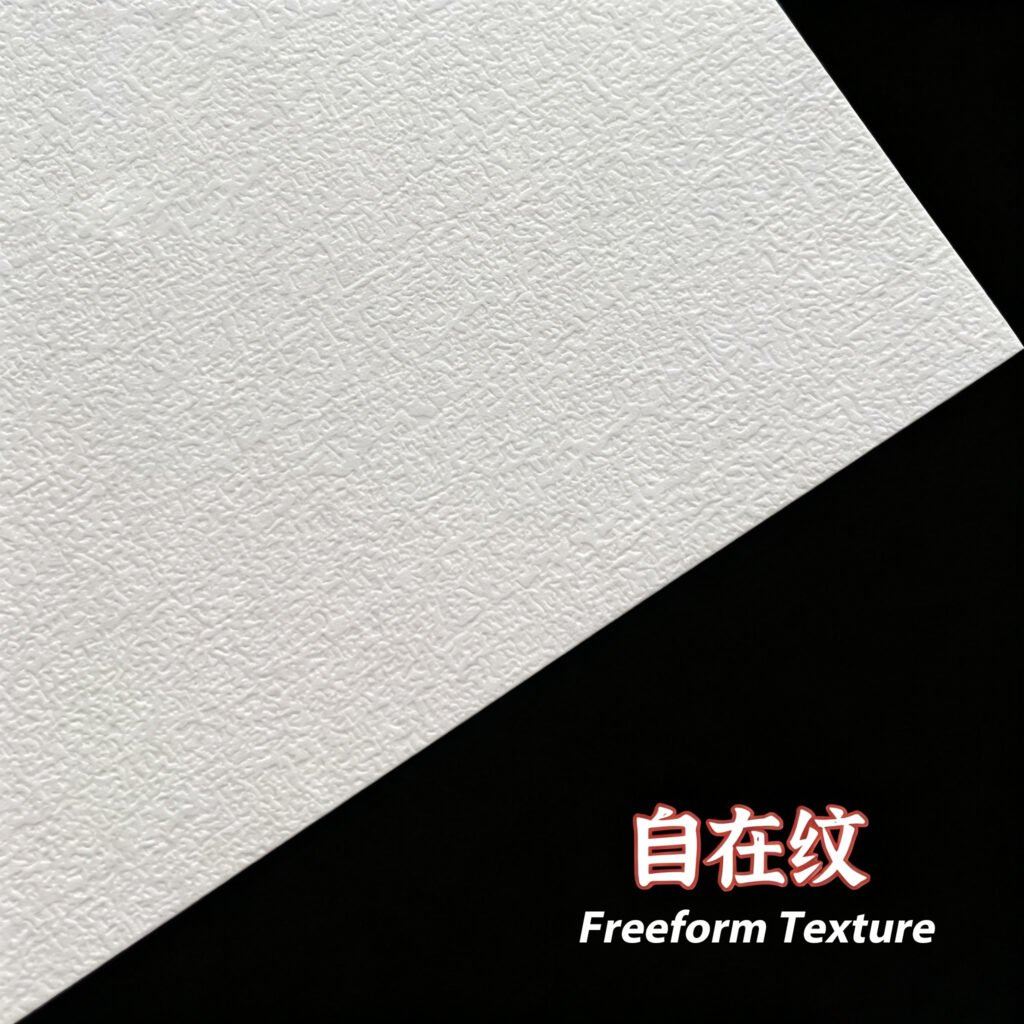
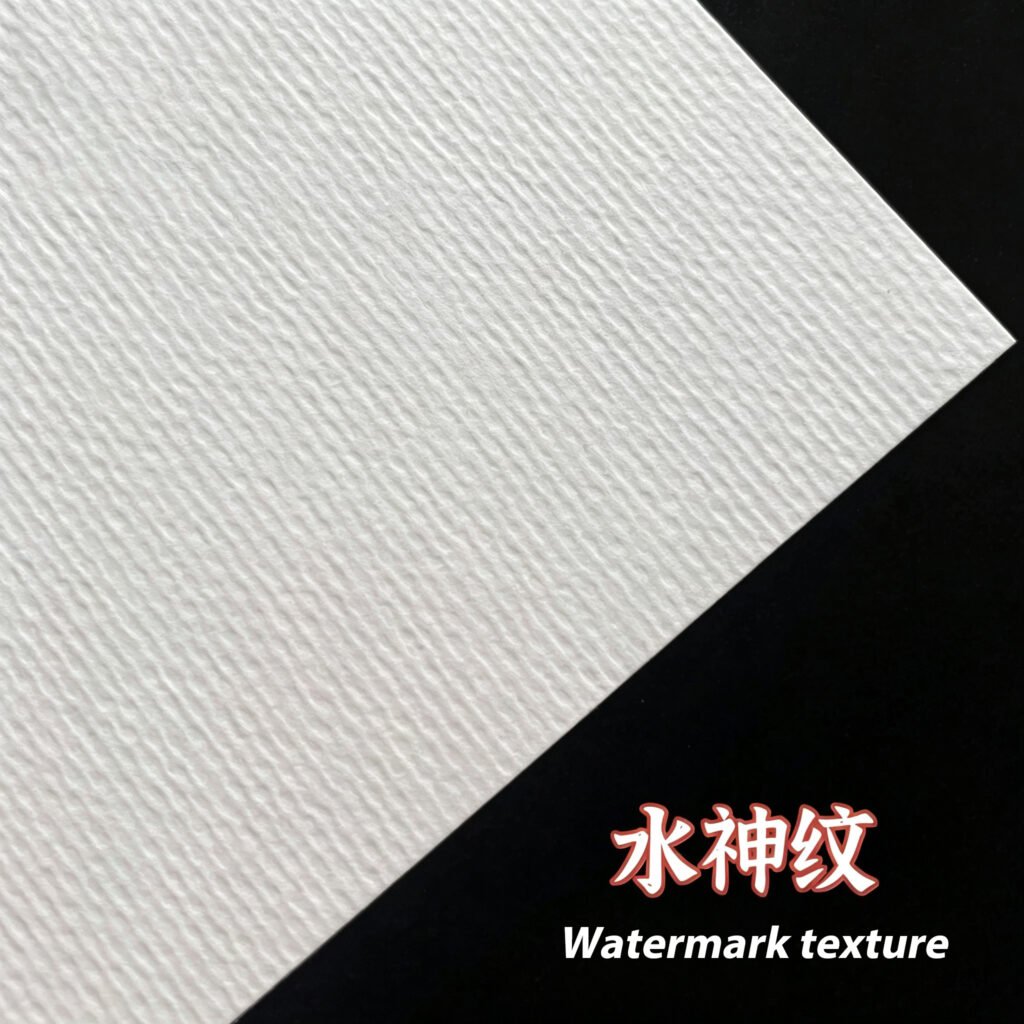
Paper stock options for presentation folders printing

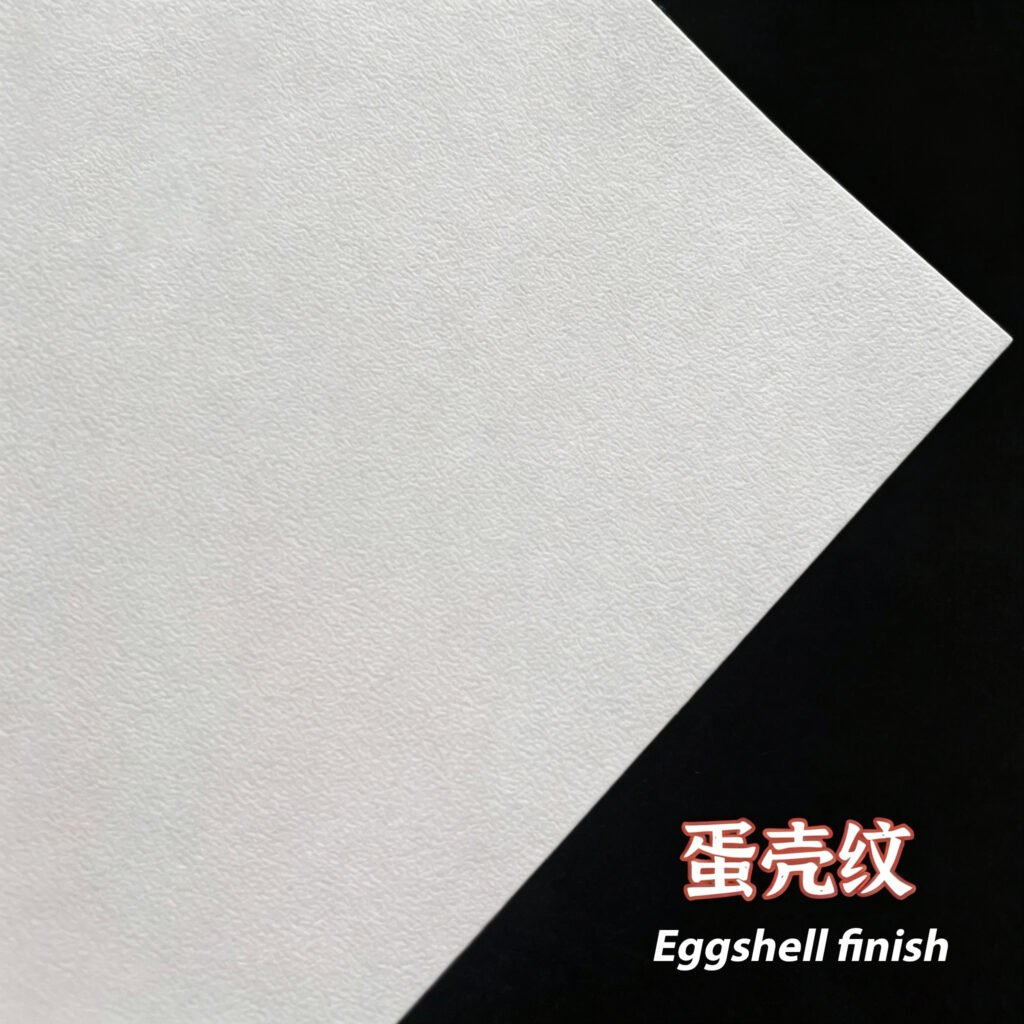
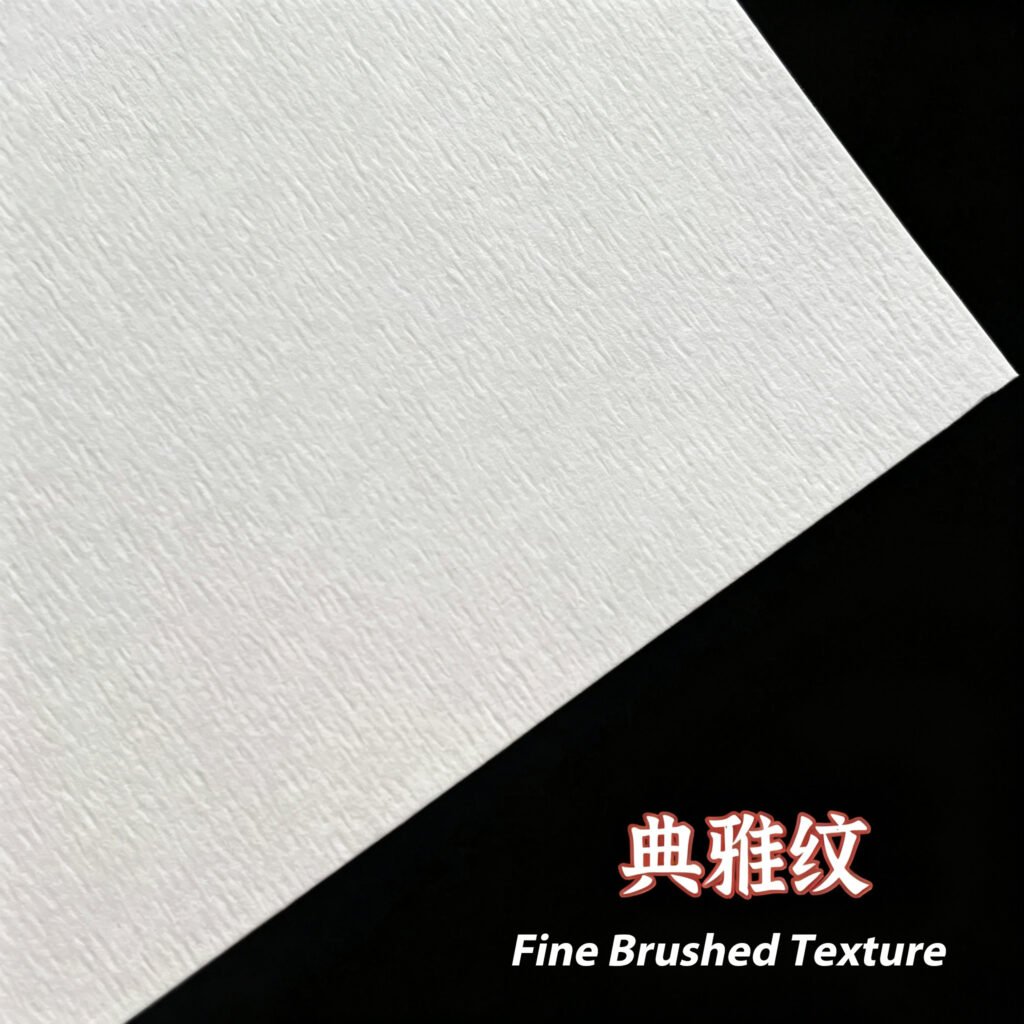
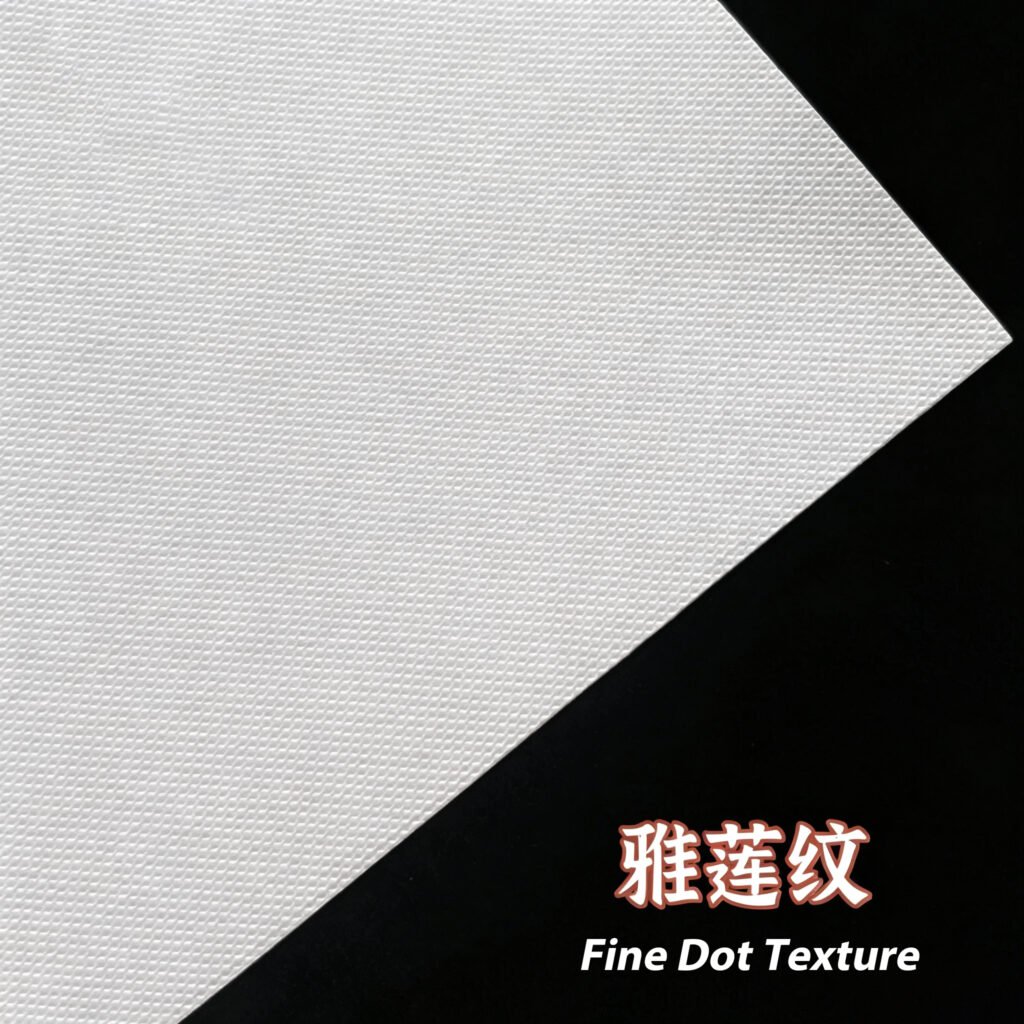
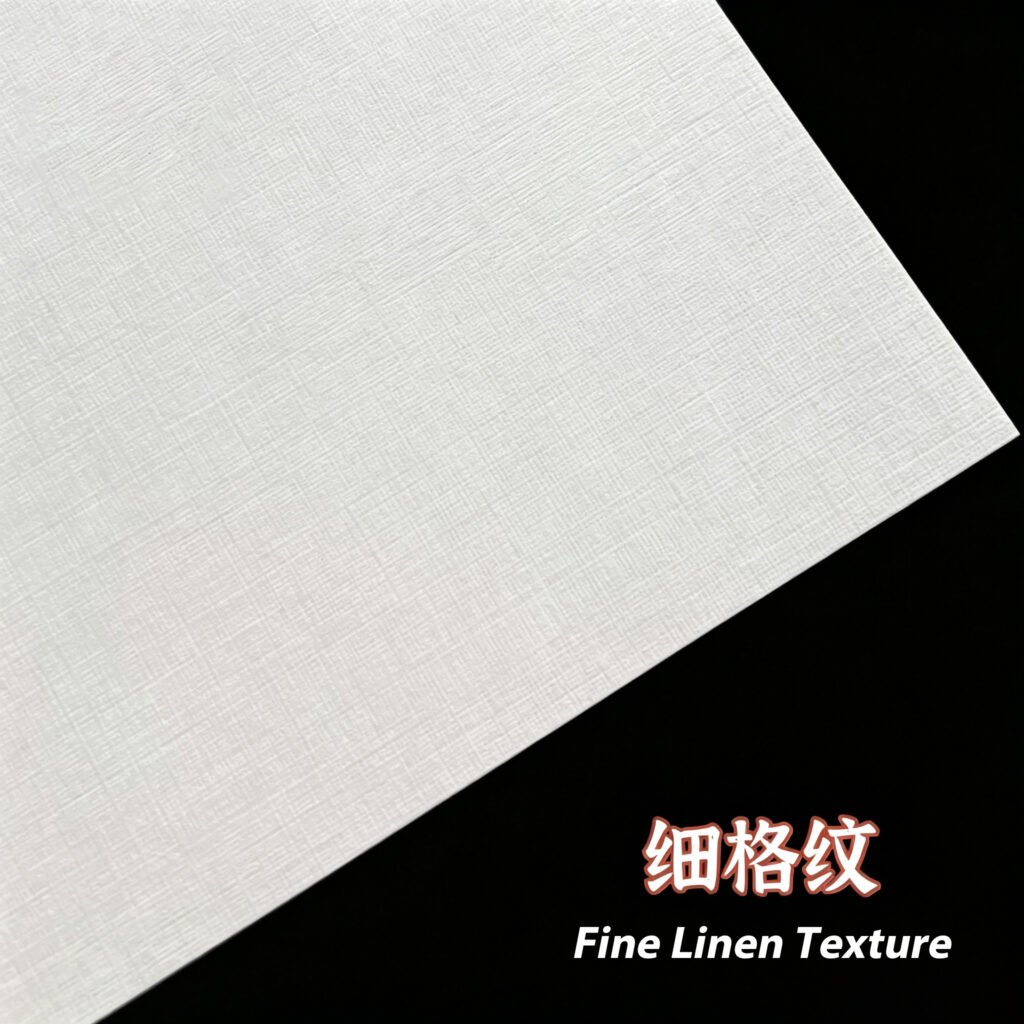
Part of embossed texture paper options

Special Finishing Options After Printing

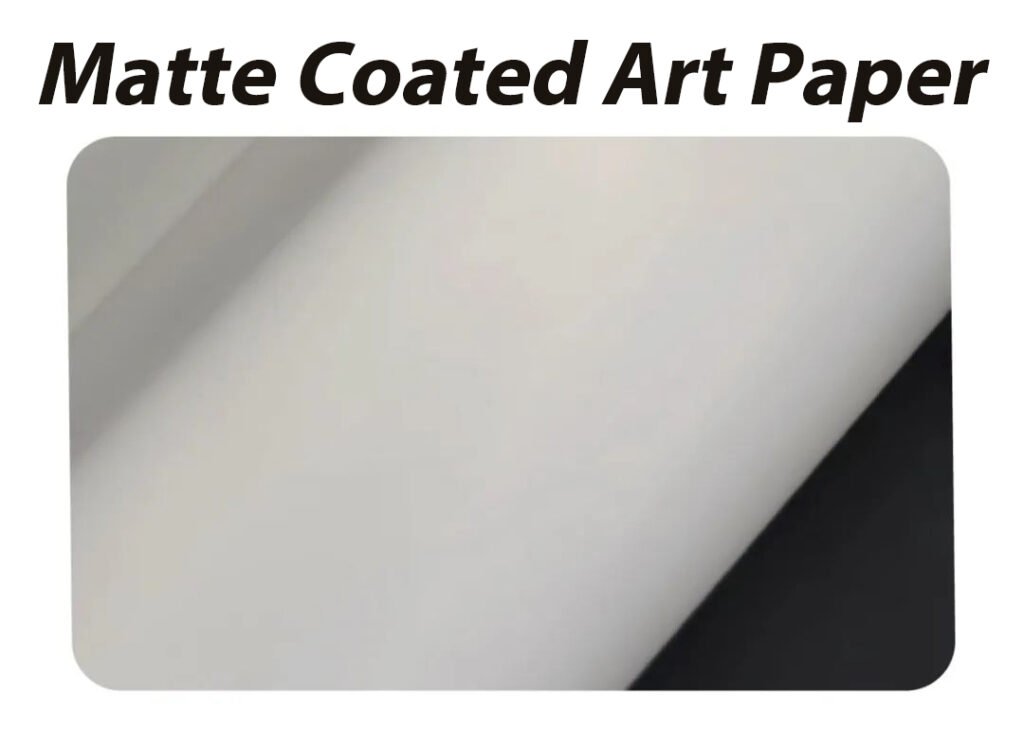
Matte Coated Art Paper, also called dull coated art paper, is a member of the coated art paper family. It uses identical paper base and manufacturing procedures as standard single-sided or double-sided glossy coated art paper. The core distinction lies in the special raw materials used for its surface coating layer, which eliminates strong surface sheen and delivers a soft, non-reflective matte finish.

Core Material & Texture Features
The matte art paper uses low-refraction matte pigments in its coating formula. Its surface is smooth but not shiny; no mirror reflection occurs under light.

Touch & Visual Performance
It has a delicate, silky flat texture. Printed colors appear low-saturation, elegant and soft, without harsh glare. Text on matte paper is eye-friendly for long-time reading, as light reflection will not blur words.

Printing Advantages
Excellent ink absorption & dot reproduction, sharp fine lines and gradual color gradients
No fingerprint marks left on the surface after touching
No glare interference when shooting or scanning printed works

Common Applications
High-end brochures, luxury product catalogs, art photo albums, fashion magazines, premium flyers, hardcover book inner pages, museum exhibition pamphlets, and brand gift packaging inserts. It is widely chosen for minimalist, high-grade visual design styles that require a calm, sophisticated texture.

Industry Specifications
Standard grammages range from 105gsm to 300gsm. It supports offset printing, UV printing, hot stamping and die-cutting. Unlike uncoated offset paper, its coated surface avoids ink penetration and fuzzy printing.

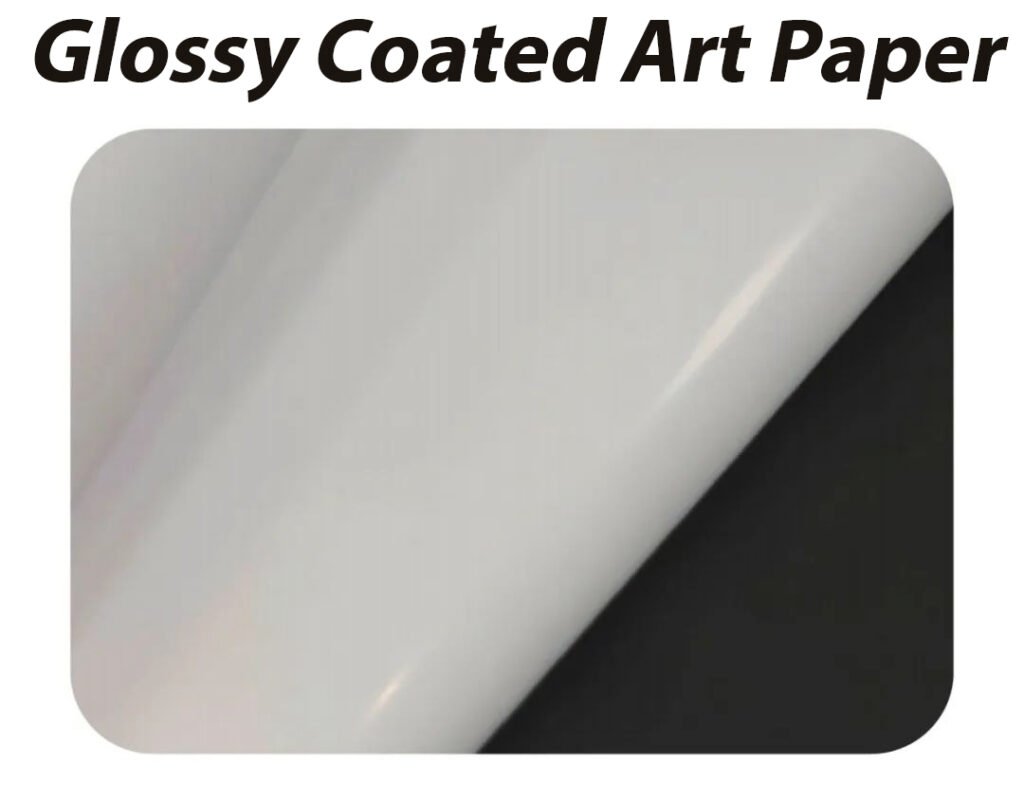
Glossy Coated Art Paper, commonly referred to as coated art paper, is the foundational member of the coated art paper family. It shares the same paper base and manufacturing workflow as matte coated art paper. The core distinction lies in the high-gloss mineral pigments adopted in its surface coating formula, which creates a bright, mirror-like reflective glossy finish.

Core Material & Texture Features
Gloss coated art paper utilizes high-refraction glossy clay and pigments for its surface coating. Its surface is ultra-smooth and highly reflective, producing distinct mirror sheen when exposed to light.

Touch & Visual Performance
It features a sleek, polished flat texture. Printed colors come out vivid, saturated and vibrant with striking luster. The strong surface gloss makes images pop with sharp contrast, though direct lighting may cause reflective glare that strains eyes during prolonged reading.

Printing Advantages
Outstanding ink holdout and vivid color saturation, highly saturated solid tones and crisp image details
Bright reflective surface maximizes the vibrancy of full-color photos and commercial graphics
Perfect finish for high-shine effects after lamination, UV coating and foil stamping

Common Applications
Commercial product brochures, retail flyers, advertising posters, fashion magazines, promotional leaflets, product packaging inserts, photo posters and mass-market catalogs. It is widely selected for commercial marketing designs that demand bright, eye-catching, high-color-brightness visual effects.

Industry Specifications
Standard grammages range from 105gsm to 300gsm. It is compatible with offset printing, digital printing, UV varnishing, hot stamping and embossing. The sealed coated layer prevents ink sinking into the paper core, delivering crisp, clear printed dots and rich color layering.

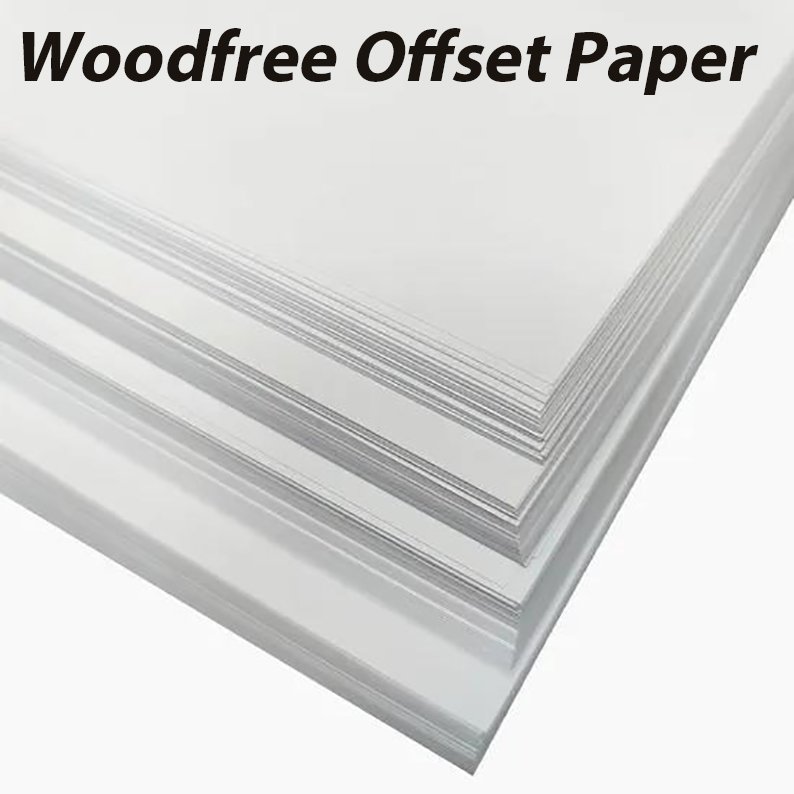
Woodfree Offset Paper, also known as uncoated woodfree paper, is a premium printing paper made purely from chemical pulp without mechanical groundwood pulp. It contains no clay coating on both sides, featuring a natural matte surface.

Core Material Advantage
100% chemical wood pulp composition
Free from mechanical pulp, so the paper will not turn yellow or brittle after long-term storage, with excellent aging resistance.
Low impurity, uniform fiber distribution
Stable paper formation, no speckles, holes or uneven texture on the sheet surface.

Surface & Printing Performance
Matte, slightly textured uncoated surface, comfortable hand feel without slippery gloss
Good ink absorption and fast ink drying, no ink smudging or dot gain during offset printing
High ink color reduction, text prints sharp and clear; ideal for large text books, brochures and manuals
Stable dimensional stability, less paper expansion/shrinkage during printing, reduces register misalignment

Two Common Color Versions
1. High White Woodfree Offset
Bright pure white tone, high whiteness, suits color leaflets, product catalogs and high-grade flyers.
2. Cream / Ivory Woodfree Offset
Soft warm off-white tone, low eye irritation, widely used for textbooks, notebooks, novels and long reading publications.

Standard Grammage Range
70gsm ~ 315gsm, available in sheet size (cut sheets per ream) and jumbo roll formats.

Main Application Scenarios
Books, magazines, textbooks, notebooks
Instruction manuals, corporate brochures, flyers
Office printing paper, letterheads, envelopes
Color pamphlets, calendar inner pages, notepads

Industry Selling Points Summary 
Woodfree Offset Paper is uncoated premium paper made of pure chemical pulp. It boasts anti-yellowing property, uniform texture and outstanding offset printing performance with crisp text & natural color rendering. Available in high white and ivory shades for books, manuals, flyers and office printing.

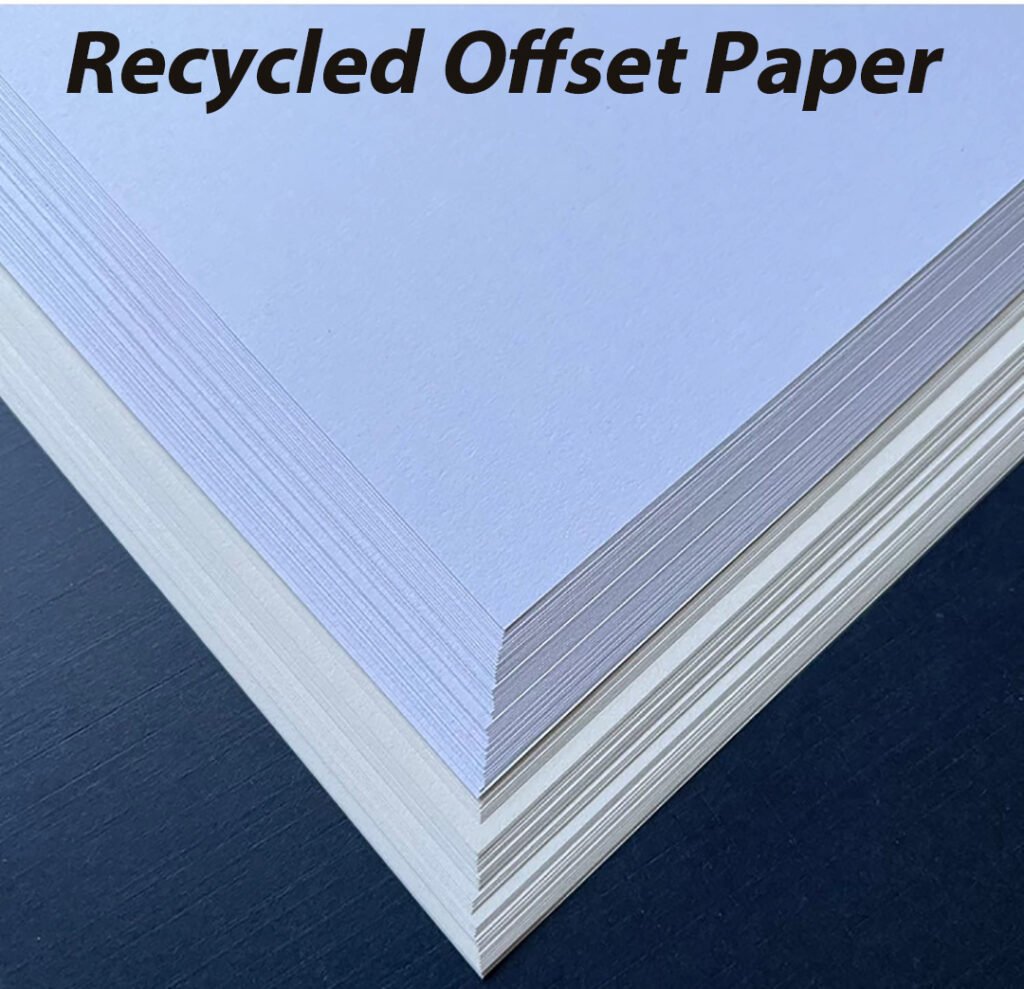
Recycled Offset Paper is an uncoated printing paper manufactured from post-consumer waste paper and recycled pulp, instead of fresh virgin chemical wood pulp. It is a sustainable alternative to standard woodfree offset paper for offset lithography printing.

Material & Environmental Features
Main raw material: sorted recycled paper pulp, with optional FSC, PEFC or recycled content certifications.
Greatly reduces timber consumption, water waste and carbon emissions compared to virgin woodfree paper.
Two mainstream types: high white recycled offset and natural cream recycled offset; some grades contain visible subtle natural fiber specks as an eco-friendly characteristic.
Free from mechanical groundwood pulp in premium grades, slowing down yellowing over time.

Surface & Printing Performance
Natural matte uncoated surface with soft texture, similar to regular woodfree offset.
Balanced ink absorption, fast drying during offset printing, clear text reproduction and stable dot performance.
Good dimensional stability, minimal stretch or shrinkage under press dampening water, less registration shift.
Slightly lower brightness than virgin woodfree offset; ideal for muted, natural print styles rather than ultra-bright vibrant color layouts.

Common Grammage & Formats
Standard weight range: 70gsm – 300gsm.
Supplied in flat cut sheets (ream packing) and large jumbo rolls for commercial printing presses.

Typical Applications
Eco-friendly brand brochures, flyers and leaflets
Corporate sustainability reports, instruction manuals
Notebooks, diaries, stationery, envelopes and letterheads
Trade books, magazines and educational textbooks with environmental positioning
Packaging inserts, gift card inserts and event programs

FAQs

What is bleed?

Bleed is an area of print outside the main document that must be added to your artwork before submitting it for printing. We recommend a minimum 3mm bleed on all edges of the folder artwork. Adding proper bleed prevents unwanted white borders after trimming and ensures your design runs correctly to the edge without key content being cut off. Always check our official presentation folder templates for exact bleed specifications, as folder formats may differ from smaller print items.

What is safe area?

The safe area is the inner zone within the final trimmed size of the presentation folder, where critical text, logos, contact details and key graphics must sit. Keep all important design elements well inside the safe area, away from the trim lines and fold lines. This avoids accidental trimming, creasing or hiding essential content during finishing, folding and trimming processes.

What’s the difference between RGB and CMYK?

RGB (Red, Green, Blue) is the colour mode used for digital screen displays only. CMYK (Cyan, Magenta, Yellow, Black) is the colour mode designed for physical offset and digital printing. To avoid unexpected colour shifts, dull tones or mismatched branding, please set up all presentation folder artwork in CMYK colour mode before submission.

Why do I need to embed fonts?

If fonts are not embedded in your artwork file, the printing system may automatically replace them with default fonts that do not match your original design. This can ruin text formatting, alter branding styling and break layout alignment on large folder panels. Embedding fonts locks them into the file, ensuring text displays and prints exactly as designed.

How to order Presentation Folders?

Ordering custom presentation folders is simple with our printing service. First, download our official folder template and create your artwork following bleed, safe area and colour guidelines. Next, upload your finished file, select your paper stock, add custom finishes (such as lamination, embossing, foil stamping, die-cuts or pockets), review and approve the digital proof, confirm quantities and place your order. Our support team is available to assist with custom sizes, pocket layouts and special requests.

What is the standard Presentation Folder size?

The most common standard presentation folder is designed to fit A4 documents, typically 210mm × 297mm (A4 compatible format). We also offer custom sizes, including legal-size, slim profiles and bespoke die-cut shapes to suit brochures, booklets, brochures and branded document sets.

What finishes and materials are available for Presentation Folders?

We offer a wide range of premium paper stocks and finishes for custom presentation folders:
Textured art paper: Various embossed textures for a tactile, luxury feel
Matte / gloss lamination: Adds protection, rigidity and a consistent finish
Foil stamping: Metallic gold/silver/coloured foil for premium logo branding
Emboss / deboss: Raised or recessed texture for subtle branding
UV coating: Spot UV for glossy accent details and extra durability
Die-cut pockets / slits: Built-in pockets, business card slits and custom cutouts for inserts

What resolution is best for Presentation Folder artwork?

For sharp, crisp printing across large folder panels, we recommend artwork at a resolution of 300dpi (dots per inch) at full final size. Low-resolution images will appear blurry or pixelated when printed at full size, especially on larger front/back cover panels.

Can I add pockets and business card slits to presentation folders?

Yes! Our custom presentation folders support multiple internal pocket configurations, including single pockets, double pockets, and dedicated die-cut slits for business cards, brochures or flyers. These are fully customisable for conferences, sales kits, client proposals and corporate documentation packages.

What file format should I submit for presentation folder printing?

We prefer print-ready PDF files with embedded fonts and correct bleed settings. PDF files ensure consistent layout, colours and formatting across our printing workflow. Avoid raw editable formats (such as native Word or PowerPoint files), as these can cause layout shifts and colour errors.